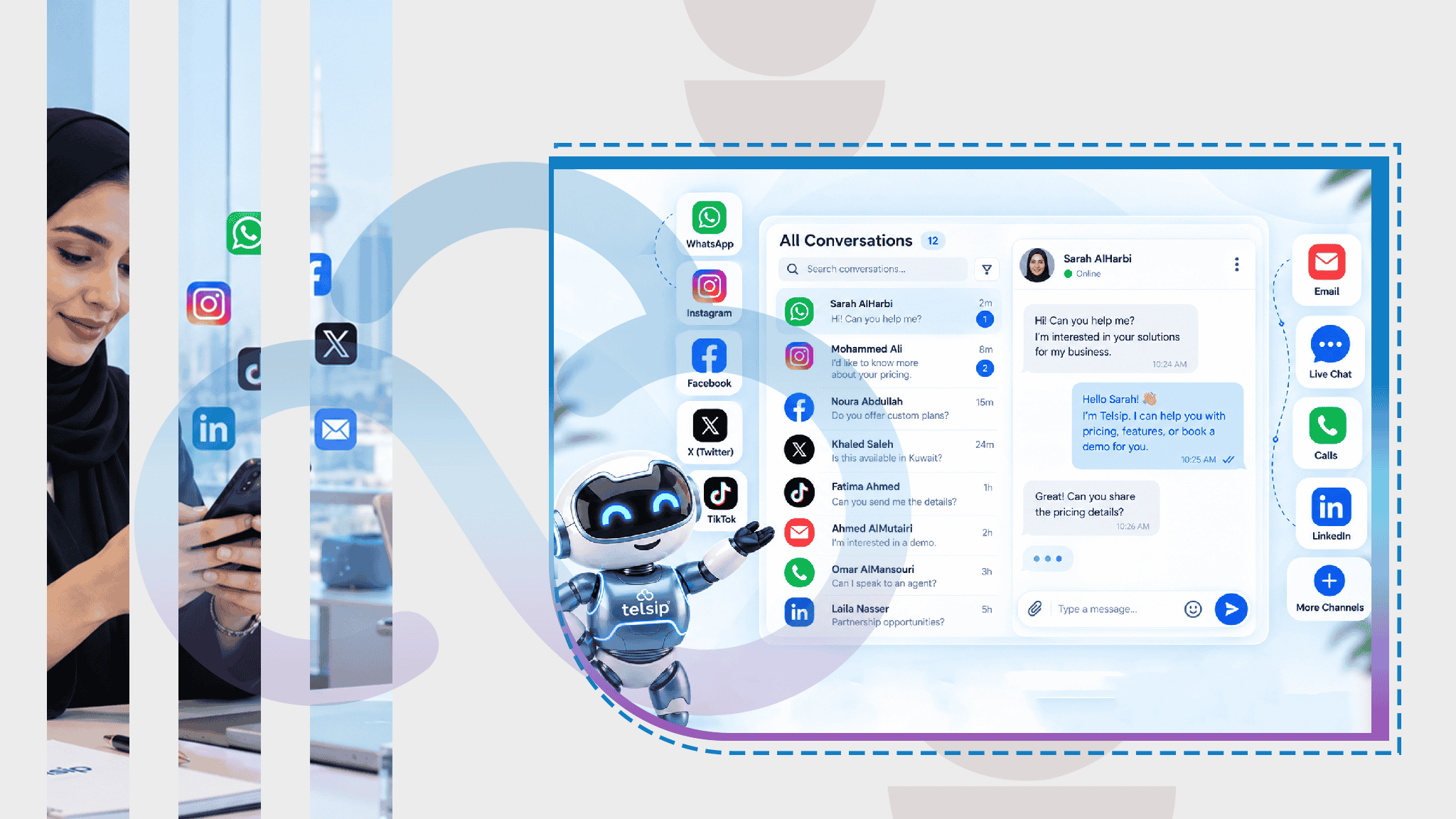
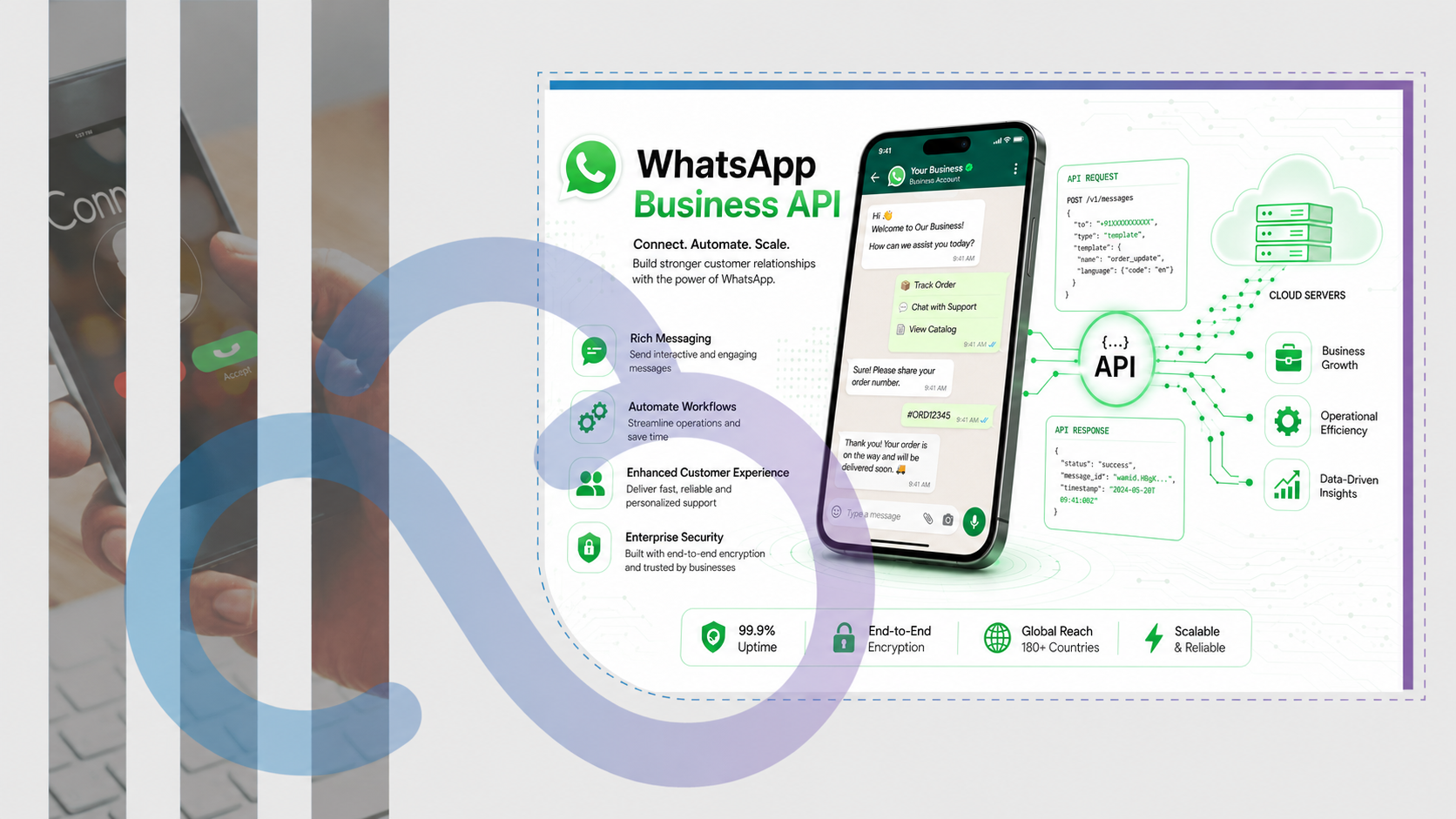
From Multiple Communication Channels to an Integrated Customer Experience Imagine Mohammed... he's had a minor…
Business Communications’s Future Over the Next Ten Years
The Future of Business Communications Over the Next Ten Years
How Will Cloud Communications and Contact Centers Change Over the Next Decade?
The enterprise communications sector is undergoing rapid transformation, driven by technological advances in cloud computing, artificial intelligence, and data analytics.
Ten years ago, most companies relied on traditional office-based telephone systems. Today, communications have become a fundamental part of an organization’s digital infrastructure.
Over the next ten years, the way businesses communicate is expected to change dramatically. Phone calls will no longer be simply a communication channel; instead, they will become an integrated part of companies’ digital platforms, applications, and operational systems.
Industry reports indicate that technologies such as:
- Cloud Telephony
- AI Contact Centers
- WebRTC Communications
- Programmable Voice
will form the foundation of the next generation of enterprise communications.
In this article, we explore the major transformations that are expected to reshape business communications over the coming decade.
The Importance of Cloud Communications for Modern Businesses
Cloud communications have become an essential component of modern business technology infrastructure.
Cloud Communications technologies rely on Business VoIP to transmit calls over the internet instead of traditional telephone networks.
This shift has led to the emergence of platforms such as:
- Cloud PBX
- Hosted PBX
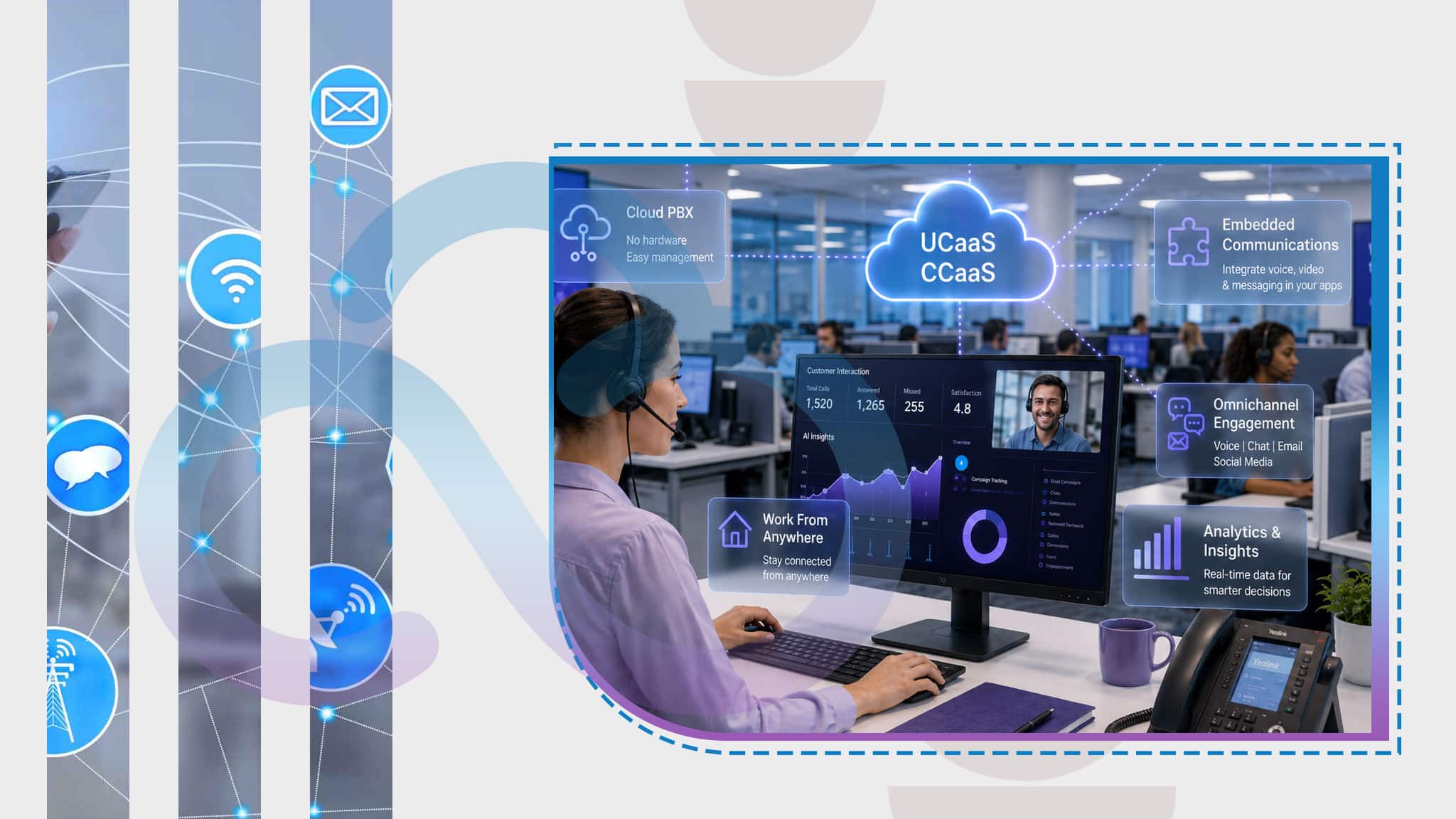
- Unified Communications as a Service (UCaaS)
- Contact Center as a Service (CCaaS)
These platforms allow organizations to centrally manage their communications through advanced Telecom Cloud Infrastructure.
They also provide a high level of flexibility, enabling businesses to scale easily and manage teams across multiple locations.
Source:
https://www.gartner.com/en/information-technology/glossary/unified-communications-as-a-service
The Evolution from Traditional PBX to Cloud PBX
In the past, businesses relied on Private Branch Exchange (PBX) systems installed inside their offices.
These systems depended heavily on physical hardware and required continuous maintenance.
With the development of SIP Trunking and VoIP Infrastructure, Cloud PBX systems emerged, operating from cloud-based data centers.
This model offers several advantages, including:
- Lower infrastructure costs
- Easier scalability
- Remote system management
It also allows communication systems to integrate with other business applications through Telephony APIs.
The Shift Toward Intelligent Communications
One of the biggest transformations expected in the communications industry is the increasing use of artificial intelligence within contact centers.
AI Contact Center platforms use machine learning technologies to analyze conversations and improve the customer experience.
Artificial intelligence can help businesses with:
- Automating responses to simple customer inquiries
- Analyzing sentiment during calls
- Improving call routing and assigning customers to the most appropriate agents
These capabilities form part of the concept of the Next Generation Contact Center.
McKinsey reports indicate that artificial intelligence has the potential to significantly reduce customer service costs while improving service quality.
Browser-Based Calling: The Future of WebRTC
One of the most important technological trends in enterprise communications is browser-based calling through WebRTC Communications.
This technology enables users to make voice and video calls directly from a web browser without requiring additional applications or software.
For businesses, this model offers several advantages, including:
- Easier access to communication services
- Better support for remote and hybrid work
- Reduced dependence on dedicated hardware
It also enables employees to access Enterprise Telephony services directly from computers, smartphones, and other connected devices.
Communications Embedded Within Applications
Another major trend is known as Embedded Communications.
In this model, communication capabilities are integrated directly into business applications such as:
- CRM systems
- E-commerce platforms
- Customer support applications
This is enabled through technologies such as:
- Programmable Voice
- Telephony APIs
- Real-Time Communications
This approach allows businesses to create advanced communication experiences directly within their applications.
For example, customers can initiate a call directly from a company’s application without having to dial a traditional telephone number.
Benefits of Cloud Call Centers and UCaaS for Businesses
Companies that adopt UCaaS and CCaaS platforms gain greater flexibility and control over their communications.
These platforms provide a wide range of benefits.
Improved Customer Experience
Through Omnichannel Customer Engagement, customers can communicate with businesses through multiple channels, including phone calls, live chat, email, and social media.
Support for Hybrid Work
Cloud Telephony enables employees to work from virtually anywhere while maintaining access to the same business communication services.
Better Data Analytics
Modern communication systems provide advanced analytics tools that help organizations better understand customer behavior and communication patterns.
Scalability
Businesses can increase the number of users, agents, or communication channels without making major investments in additional hardware.
Global Trends in the Cloud Communications Market
The global cloud communications market is experiencing rapid growth.
According to MarketsandMarkets, the Unified Communications as a Service (UCaaS) market is expected to continue expanding as more organizations move toward cloud-based communication services.
This growth is being driven by several factors, including:
- Digital transformation
- The growth of remote and hybrid work
- The increasing importance of customer experience
Source:
https://www.marketsandmarkets.com/Market-Reports/unified-communication-as-a-service-market-665.html
The Future of Customer Experience in the Digital Communications Era
In the future, communications will become increasingly integrated with companies’ digital systems and platforms.
Instead of treating a phone call as a separate communication channel, calls will become part of a fully integrated digital customer journey.
Technologies such as:
- Digital Customer Experience
- Real-Time Communications
- Business Communications Platforms
will allow companies to build faster, smarter, and more connected communication experiences.
Artificial intelligence will also enable businesses to provide more personalized customer service by analyzing customer data and delivering relevant solutions in real time.
Conclusion
The enterprise communications sector is entering a major period of transformation.
Over the next ten years, the way companies communicate with customers and employees is expected to change dramatically.
Technologies such as:
- Cloud PBX
- Cloud Telephony
- UCaaS
- CCaaS
- AI Contact Centers
- WebRTC Communications
will form the foundation of the next generation of enterprise communications.
Businesses that invest in these technologies early will be better positioned to improve customer experience, increase operational efficiency, and achieve sustainable growth.
In today’s business environment, communications are no longer simply part of the IT infrastructure. They have become a strategic element of business success.
Telsip — an all-in-one cloud communications platform that combines a cloud PBX, a cloud contact center, unified OMNI channels, and a WebRTC-powered softphone, with seamless CRM integration and professional support; it delivers intelligent call management, unified conversations, and real-time reports that enhance your team’s efficiency and your customers’ experience.
For more information about Telsip products and services, leave your data and one of our specialists will contact you..


Related Posts