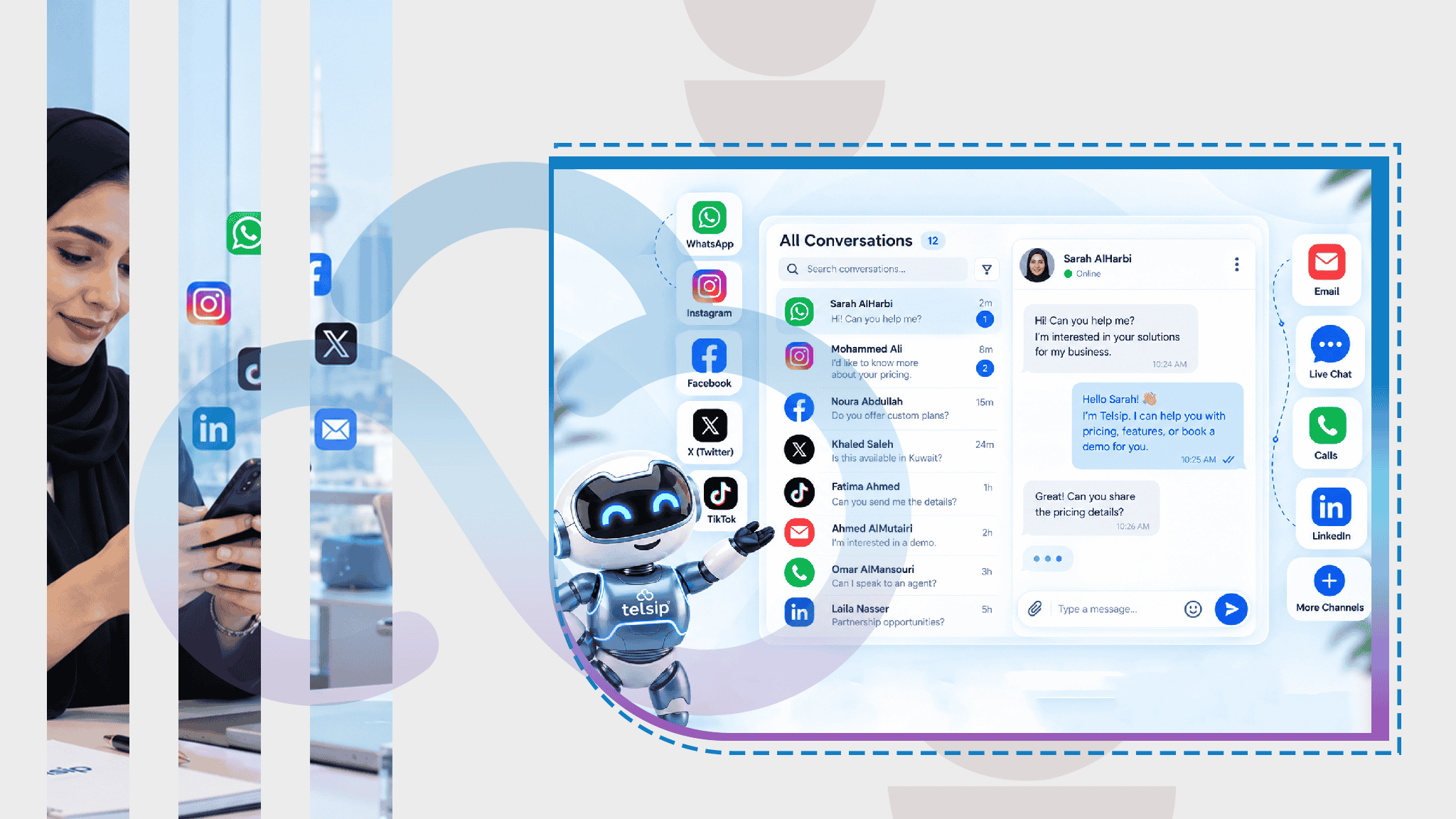
From Multiple Communication Channels to an Integrated Customer Experience Imagine Mohammed... he's had a minor…

Call center integration
Call Center Integration
Unify Your Channels. Amplify Your Impact.


How can call center integrations enhance efficiency within your business ecosystem?
When you start using a call center solution, it needs to work in your ecosystem. Call center integrations are a connection between your call center system and another systems – most commonly, a CRM, project management tools, and any other software your business uses. Once that connection is in place, the two systems can automatically exchange data, resulting in substantial efficiency improvements.
Choose the Right Tools for a Connected Workflow!
Thanks to APIs (Application Programming Interfaces), software now communicates between each other easily. However, businesses often buy software without considering what they truly need—especially when it comes to call center solutions.
Before investing in a call center system, consider the specific tools and processes that drive your business. By choosing a solution that aligns with your needs and integrates with your existing technology, you’ll set the foundation for a truly connected and efficient call center environment.

Common Call Center Integrations
Call centers often integrate with a variety of systems to enhance their operations and provide a better customer experience.
While traditional call centers are burdened by hardware and software limitations, cloud-based call centers offer a flexible, cost-effective, and scalable solution for modern customer support needs.
Frequently Asked Questions (FAQ)
Call center integration is the process of connecting your call center system with other business applications used by the company, such as Customer Relationship Management (CRM) software or Enterprise Resource Planning (ERP) systems. This connection enables automatic data exchange between systems, saving employees the hassle of switching between different programs and ensuring a unified customer record.
When the call center system is integrated with a CRM system, the complete customer profile (including purchase history and preferences) appears before the agent as soon as the call is received. This enables personalized and swift service, reduces customer wait times, and directly boosts customer satisfaction and loyalty rates.
Most call center system integrations rely on Application Programming Interfaces (APIs), as they allow different systems to exchange data and execute commands automatically. Some integrations may be available out-of-the-box, while others require custom configuration or development depending on the systems in use.
Yes, a call center can be integrated with several systems at the same time, such as CRM, ERP, WhatsApp, analytics tools, and payment systems. The number of available integrations and their operational methods depend on the call center system’s capabilities and the company’s underlying technical infrastructure.
Call center integration helps reduce manual work, accelerate access to customer data, improve response times, and deliver a more cohesive experience across various communication channels. It also enables management to monitor performance and make decisions based on more accurate data.
A call center can be integrated with a wide range of systems, including:
- Customer Relationship Management (CRM) systems.
- Enterprise Resource Planning (ERP) systems.
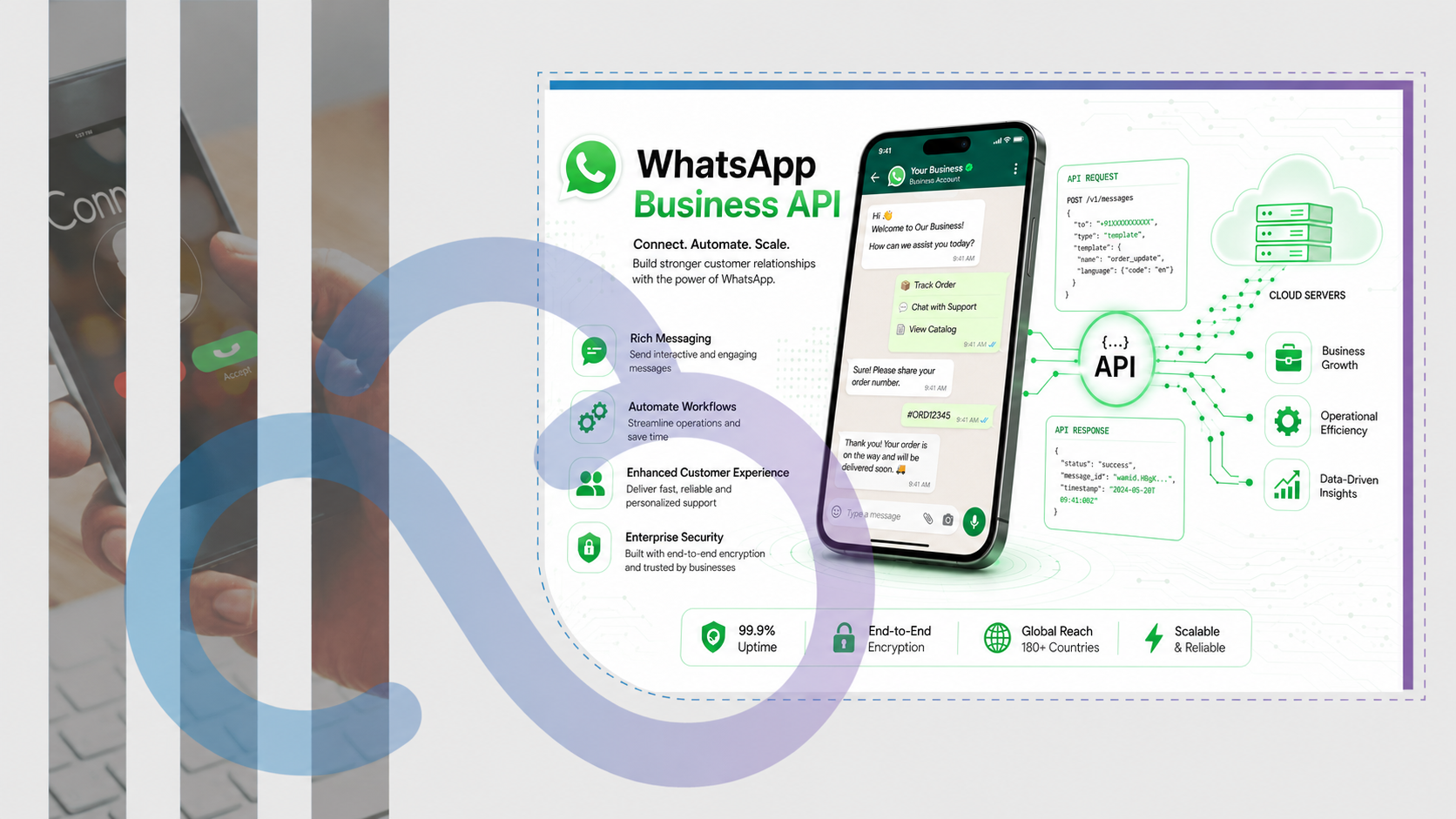
- WhatsApp, email, and SMS platforms.
- Property Management Systems (PMS) for hotels.
- Electronic payment systems.
- Business intelligence and analytics tools.
- Knowledge management systems.
- Chatbots and AI solutions.
- Survey and customer satisfaction measurement tools.
First, identify the systems your team relies on and the data agents need to access during customer interactions. Then, select a call center that supports integration with these systems, taking into account ease of use, data security, scalability, and the level of technical support provided.
A standalone call center manages calls independently from the rest of the company’s systems, which may require manual data entry and navigation across multiple applications. An integrated call center, on the other hand, automatically exchanges data with other systems and provides agents with a unified view of customers and processes.
Telsip — an all-in-one cloud communications platform that combines a cloud PBX, a cloud contact center, unified OMNI channels, and a WebRTC-powered softphone, with seamless CRM integration and professional support; it delivers intelligent call management, unified conversations, and real-time reports that enhance your team’s efficiency and your customers’ experience.
For more information about Telsip products and services, leave your data and one of our specialists will contact you..


Related Posts