From Multiple Communication Channels to an Integrated Customer Experience Imagine Mohammed... he's had a minor…

Corporate Communications as a Strategic Asset for Businesses
Corporate Communications as a Strategic Asset for Businesses
Why Communications Are No Longer Just a Phone Service
For a long time, companies viewed communication systems as simple technical infrastructure meant to receive calls and route them between employees — a limited role confined to running internal phones and connecting staff with one another.
But with the digital transformation happening around the world today, this concept has changed fundamentally. In the digital economy, enterprise communications have become a core part of a company’s operational infrastructure — and one of the most important sources of data for understanding customers and improving business performance.
That’s why modern organizations have started adopting Cloud Communications technologies like Cloud PBX and Cloud Telephony to turn their communication systems into strategic data platforms that support decision-making.
The question is no longer “how do we manage calls within the company?” It’s now: “how can communications help increase revenue and improve the customer experience?”
How Communications Became a Data Platform for Companies
In the past, a call ended the moment the phone was hung up. Today, every interaction between a company and its customers can be analyzed. Modern Business Communications Platforms let companies turn calls into analyzable data, such as:
- Call duration
- Response speed
- Employee performance
- Reasons customers are calling
- Potential sales opportunities
This data can be analyzed using Real-Time Communications Analytics tools to improve a company’s operational performance. For example, a sales manager can see how many customers called the company but never got a response, while a customer service manager can analyze the most common issues customers face. This is how communications turn into a strategic source of information that helps management make better decisions.
The Evolution of Communication Systems: From Traditional PBX to Cloud PBX
To understand this shift, it helps to look back briefly at the history of corporate communication systems.
Stage One: Traditional PBX
Companies relied on Private Branch Exchange (PBX) systems running on-site, built on fixed phone hardware, internal wiring, and in-house technical infrastructure. But these systems faced several challenges, including difficulty scaling, maintenance costs, and limited analytics and data capabilities.
Stage Two: VoIP and SIP Trunking
As VoIP infrastructure advanced, technologies like SIP Trunking emerged, allowing companies to make calls over the internet instead of traditional phone lines. This paved the way for Hosted PBX systems.
Stage Three: Cloud PBX and Cloud Telephony
Today, modern companies rely on Cloud PBX, where the system runs within Telecom Cloud Infrastructure inside advanced data centers. This model offers many operational advantages, such as:
- The flexibility to work from anywhere
- Centralized communications management
- Call data analytics
- Integration with digital systems
The Role of AI in Advancing Contact Centers
One of the most significant shifts in the communications sector is the emergence of the AI Contact Center. Contact centers are no longer just teams answering calls — they’ve become intelligent platforms that use AI to analyze customer data and improve the communication experience. Next Generation Contact Center technologies apply AI across several areas:
Call analysis
AI systems can analyze voice calls to detect customer satisfaction, recurring issues, and sales opportunities.
Automatic call routing
AI Call Routing systems automatically direct calls to the right agent based on the nature of the request.
Speech-to-text conversion
Speech-to-Text technology allows calls to be analyzed and converted into searchable data.
All these technologies significantly help companies improve their contact center performance.
How Communications Impact the Customer Experience
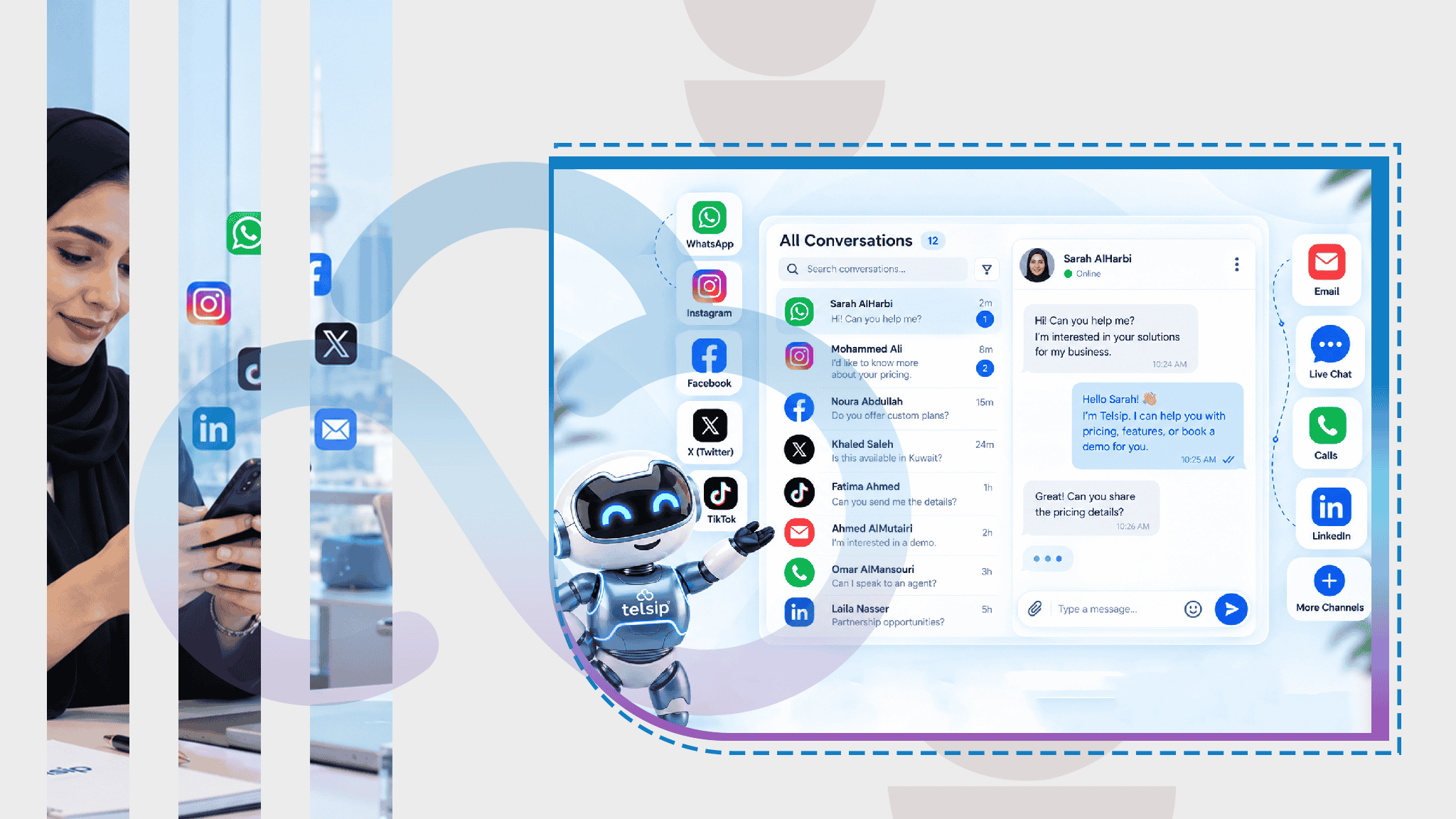
One of the most important factors in a company’s success today is Digital Customer Experience. Customers no longer just expect their calls to be answered — they expect a complete, fast communication experience. That’s why modern companies rely on the concept of Omnichannel Customer Engagement.
This means a customer can reach the company through phone, email, chat, messaging apps, or social media — and all of these channels are managed through a single platform. Contact Center as a Service (CCaaS) platforms let companies manage these channels in a unified way, creating a smoother customer experience.
The Relationship Between Communication Quality and Sales Growth
Many companies don’t realize that the quality of their communications directly affects revenue. For example, if a customer calls a company and isn’t answered quickly, they’re likely to call a competitor instead. Customer experience studies show that:
- Faster call response times increase the chances of converting a customer into a sale.
- Companies that respond faster achieve higher conversion rates.
Using tools like Click-to-Call and Telephony API also allows communications to be integrated directly into CRM systems, making it easier for sales teams to follow up with leads.
Benefits of Adopting UCaaS and Cloud Call Center
As communication technologies have advanced, integrated platforms have emerged known as Unified Communications as a Service (UCaaS) and Contact Center as a Service (CCaaS). These platforms bring all communication tools together in one environment. Key benefits include:
Lower operating costs
No need to buy hardware or build costly infrastructure.
Support for remote work
Employees can work from anywhere using WebRTC Communications.
Integration with other systems
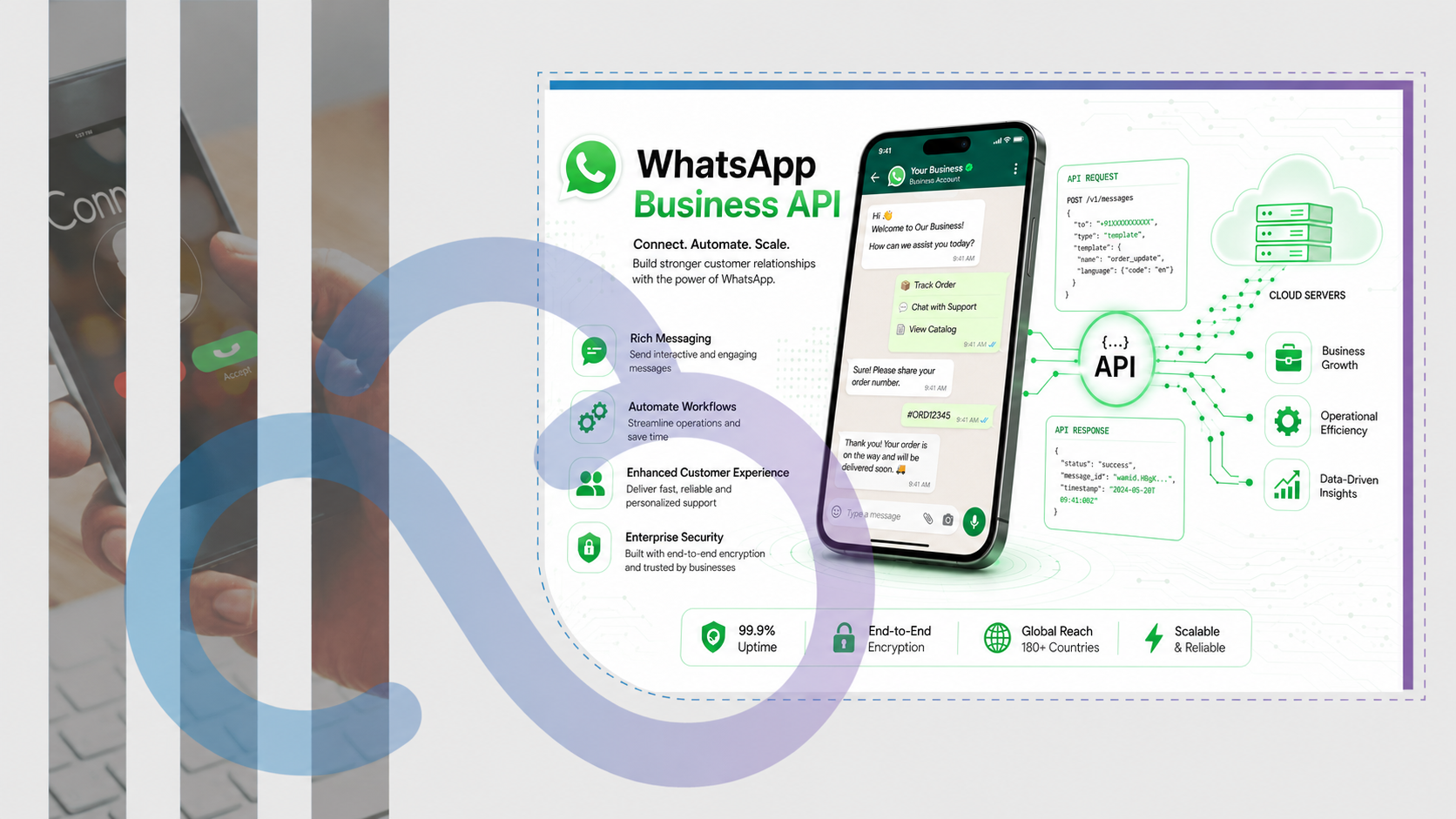
Through Telephony API, communications can be connected with CRM systems, ERP systems, and e-commerce platforms.
Improved customer experience
Through Omnichannel Customer Engagement, companies can reach customers across every channel.
Global Trends in the Cloud Communications Market
The Cloud Communications market is seeing significant growth. According to research firms like Gartner and MarketsandMarkets:
- The Unified Communications market is expected to exceed $150 billion in the coming years.
- Studies also show that most companies worldwide are moving toward adopting Cloud PBX instead of traditional systems.
This growth is driven by several factors: digital transformation, the spread of remote work, advances in AI, and rising demand for a better customer experience.
Sources:
https://www.gartner.com
https://www.marketsandmarkets.com
The Future of Digital Communications in Companies
In the near future, communications will become a core part of companies’ digital infrastructure. Upcoming technologies will rely on Programmable Voice, Telephony API, Real-Time Communications, and WebRTC Communications. These technologies will let companies embed communications directly into digital applications such as CRM systems, sales apps, and e-commerce platforms.
In this way, communications will shift from being just a means of contact to a strategic data platform that supports decision-making within companies.
Conclusion
Enterprise communications are no longer just an in-house phone system. They’ve become a strategic asset that can contribute to:
- Improving the customer experience
- Increasing sales
- Analyzing customer behavior
- Supporting digital transformation
That’s why modern companies are moving toward adopting technologies like Cloud PBX, Cloud Telephony, UCaaS, and CCaaS — to turn communications from an operational service into a genuine growth engine for the business.
Telsip — an all-in-one cloud communications platform that combines a cloud PBX, a cloud contact center, unified OMNI channels, and a WebRTC-powered softphone, with seamless CRM integration and professional support; it delivers intelligent call management, unified conversations, and real-time reports that enhance your team’s efficiency and your customers’ experience.
For more information about Telsip products and services, leave your data and one of our specialists will contact you..


Related Posts