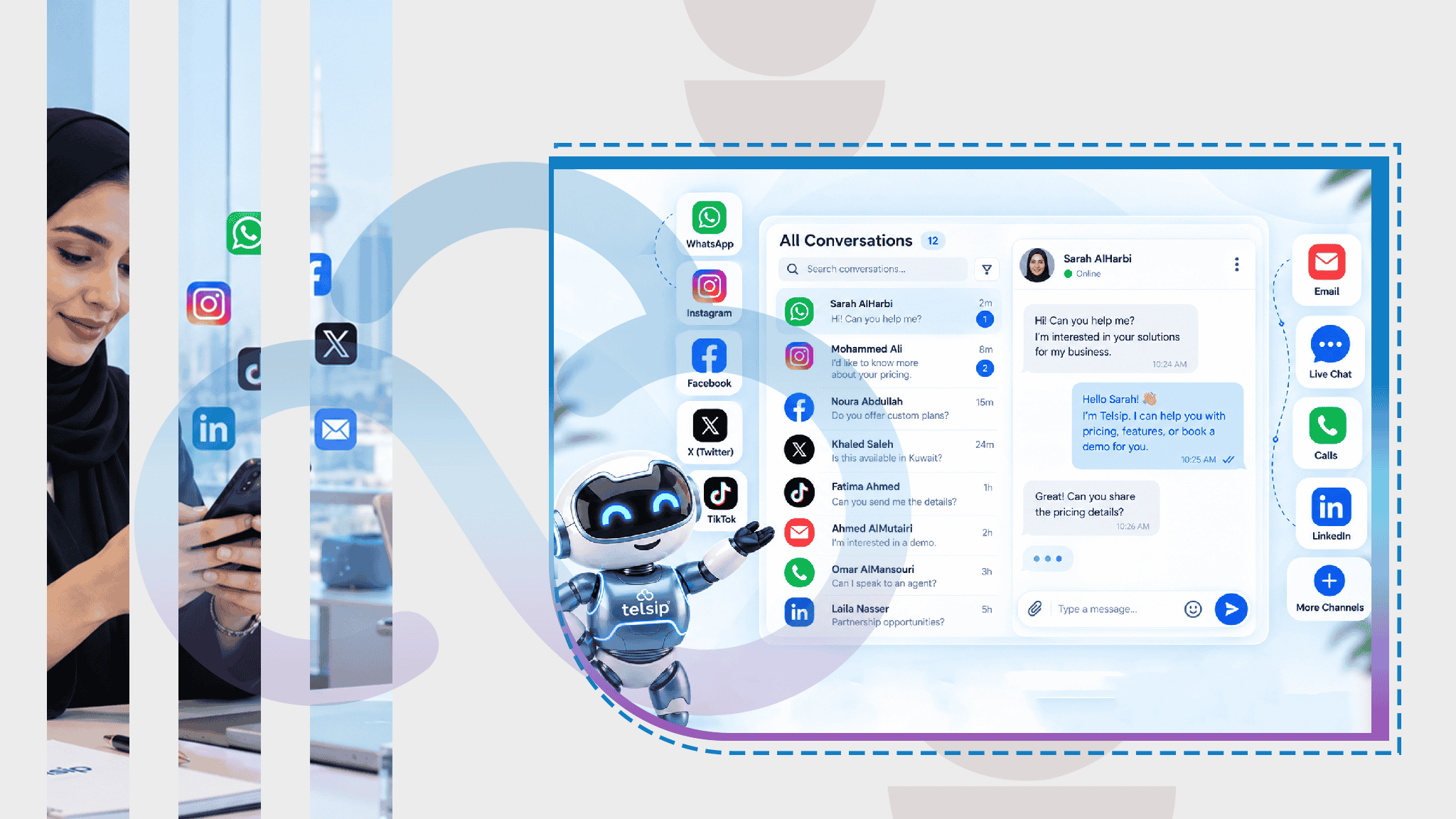
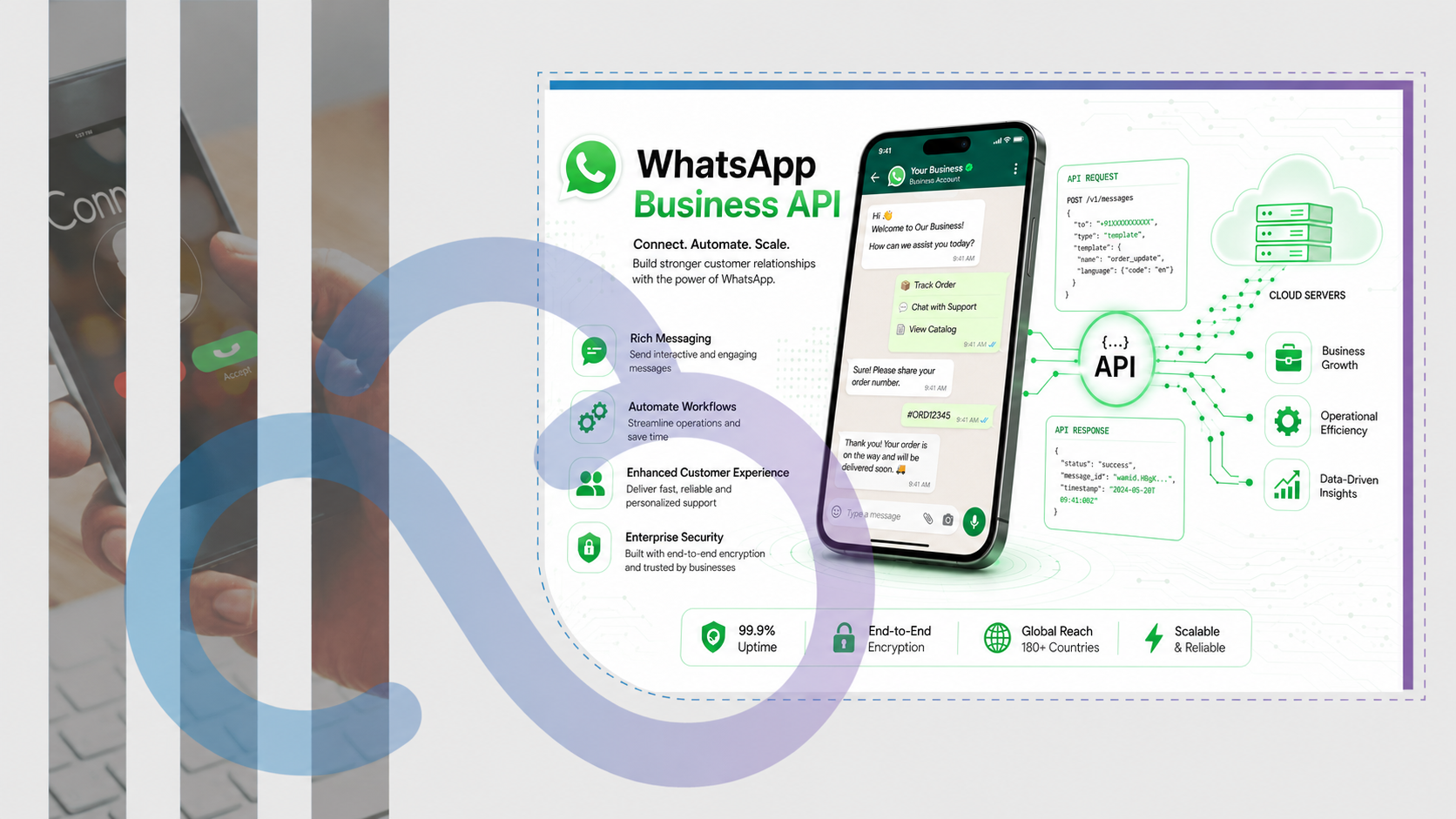
From Multiple Communication Channels to an Integrated Customer Experience Imagine Mohammed... he's had a minor…
Interactive Voice Response (IVR) system
Interactive Voice Response (IVR) system
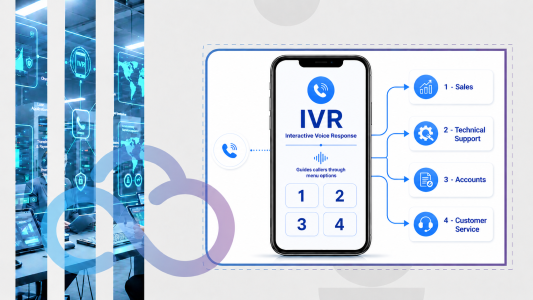
What is an Interactive Voice Response (IVR) System?
Interactive Voice Response (IVR) is an automated telephone feature in modern communications and call center systems that has significantly transformed the way businesses handle inbound calls. IVR allows customers to get information or submit requests through voice commands or using a keypad, without having to speak with a live agent.
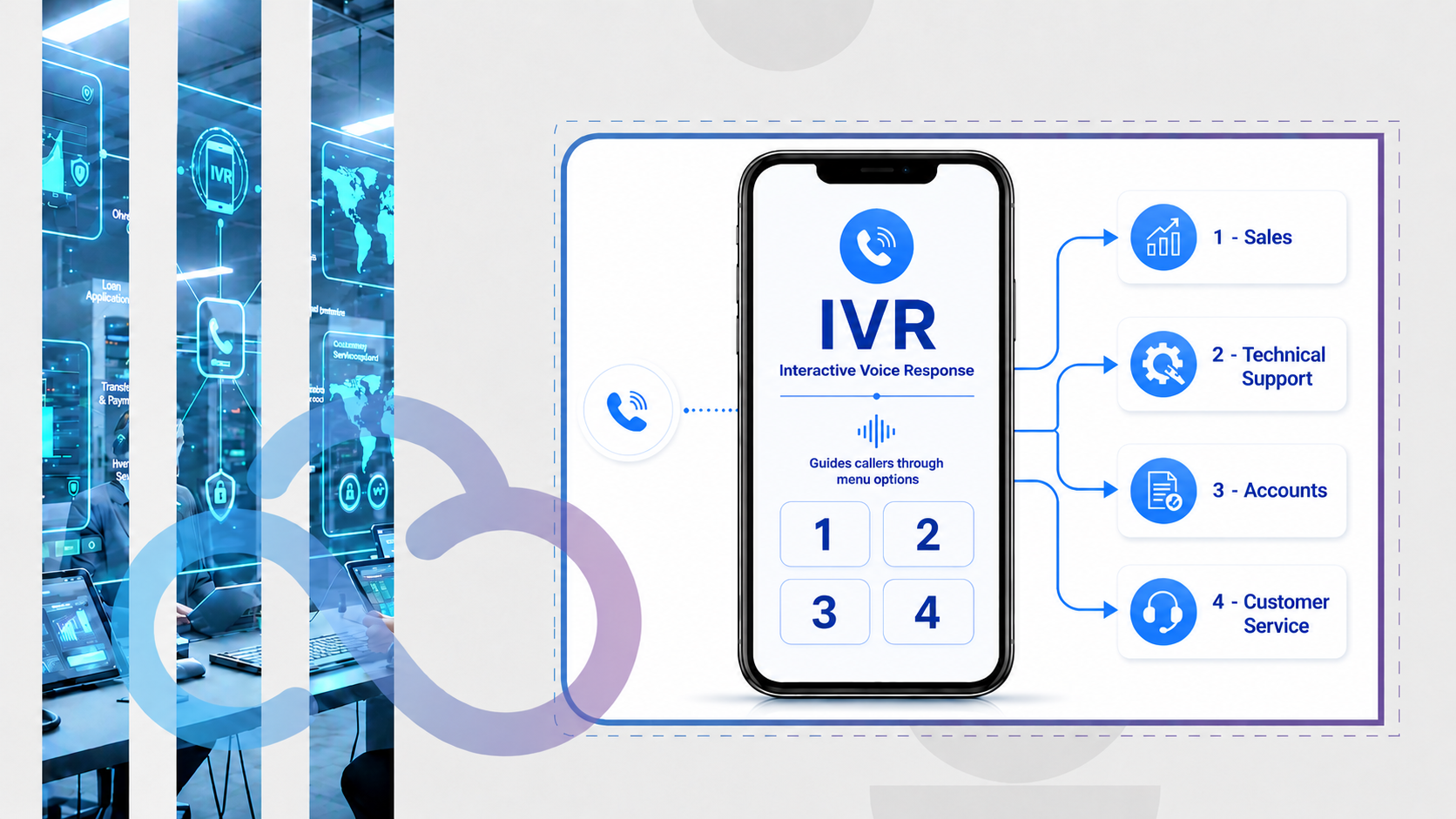
For example, when you call a company and hear a message like: “Press 1 for sales, press 2 for technical support”, you are interacting with an IVR system. Businesses can also record customised greeting messages to create a more engaging customer experience.
The IVR system improves efficiency, reduces costs, and enhances customer satisfaction. In this blog, we explore how an IVR system works, and its importance for modern businesses.
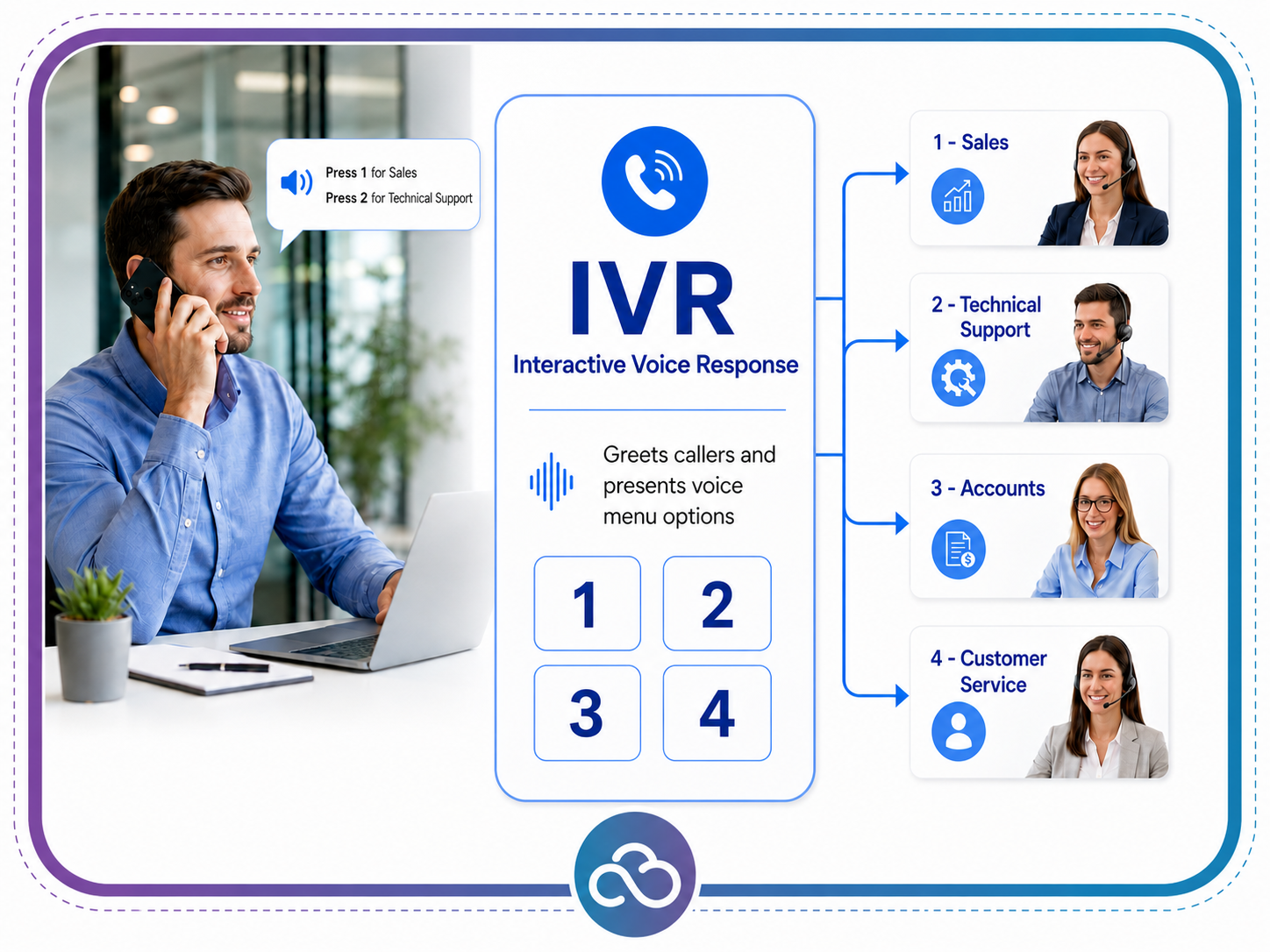
How does the IVR system work?
Here’s a simple example of how IVR works:
When a customer calls your business, the system presents options such as “press 1 for sales” or asks the caller to state what they need using their own voice, the first method is based on DTMF (Dual-Tone Multi-Frequency) technology, while the second uses Natural Language Processing (NLP).
Once the customer selects the appropriate option, the system can route them directly to the relevant department or present another menu to gain more details from the customer. After that, the system then provides the requested service, and if the request is complex, it can schedule a callback or transfer the call to a live agent.
This method is used to handle simple customer requests such as checking account balance or confirming appointments without the need for an agent’s intervention. In more complex cases, the call is transferred to a specialised agent.
IVR uses in different industries:
IVR solutions have been used in many fields and here we highlight the most prominent examples of its use:
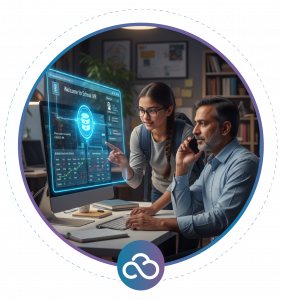
Education Sector:
Education centers and institutions can allow parents to check their child’s grades or attendance record through the IVR system by entering a pre-assigned username and password for each student.

Government sector:
Callers can find out the schedules and locations of government institutions as well as information about licences, taxes or insurance, with the ability to lead and submit requests to the relevant department.
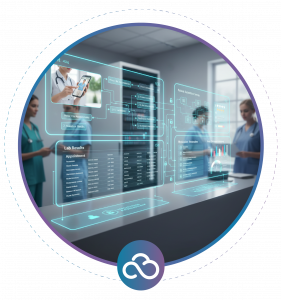
Healthcare:
IVR is used for data gathering and questions about patients’ medical history, appointment scheduling, providing test results, following up with patients after hospital discharge, and patient satisfaction surveys. In some hospitals, it is used to remind patients of medication dosage times.

Hotels and hospitality sector:
IVR speeds up booking and cancellation processes, enhances customer service for hotels, and facilitates reservations for trains, buses, and car rentals.
IVR System Benefits
The IVR system provides competitive advantages for both small and large businesses and enhances the digital transformation and automation of various tasks within the business. Some of the most distinctive benefits of ivr:
Improving Customer Experience:
Callers are directed immediately to the appropriate department, reducing waiting time and increasing the chances of resolving the issue on first contact (first call resolution). 24-hour support can be provided without the need for after-hours agents.
Reducing Operational Costs:
Reduces call load on staff and allows access to important information during holidays or off-hours. Callers can also leave a voicemail to request a callback later.
Reducing Human Errors:
The IVR system helps minimise dependence on staff for note-taking or call transfers, which increases the accuracy and efficiency of the service.
Data collection:
Customer requests can be automatically tracked to gather accurate data on the most common questions and issues.
Enhancing the Company’s Image:
An IVR system improves the image of small businesses, giving them a professional and reliable appearance that is comparable to larger companies. When a customer calls and listens to well-organized IVR messages, they immediately get the impression that the company is committed to providing every possible means to deliver excellent and efficient customer service.
Enhancing Security:
Some IVR systems use voice recognition to verify the identity of the caller, which strengthens security when dealing with sensitive information such as bank accounts or medical results.
Frequently Asked Questions (FAQ)
An Interactive Voice Response (IVR) system is a software technology that enables customers to interact with telephone systems automatically via keypad inputs or voice commands. This system helps businesses manage incoming calls, reduce the burden on customer service staff, and provide round-the-clock immediate support, thereby enhancing operational efficiency and improving customer satisfaction.
IVR stands for Interactive Voice Response. This system assists businesses in organizing calls, reducing wait times, routing customers to the appropriate departments, and delivering certain services without the need for staff intervention.
When a customer calls the company’s number, the IVR system answers and plays a welcome message containing a set of options, such as “Press 1 for Sales, Press 2 for Technical Support.” Once the service is selected, the system executes the designated action, such as transferring the call, playing a pre-recorded message, or requesting additional information from the caller.
A traditional auto-attendant is often limited to playing a pre-recorded voice message, whereas an Interactive Voice Response (IVR) system allows callers to interact with the system, select services, execute specific requests, or navigate through multiple menus before being transferred to the appropriate agent.
Yes, IVR solutions can be integrated with call center systems and Customer Relationship Management (CRM) platforms. This integration enables the system to recognize caller data, route the call to the appropriate agent, record interaction details, and enhance service delivery speed.
Yes, an IVR system can be configured to operate 24/7. The system can play customized messages outside of working hours, provide basic information, record voicemails, or allow callers to request a callback at a later time.
It is advisable to select a system that supports customizable menus and messages, integration with the PBX, call center, and CRM systems, reporting capabilities, call recording, and multi-language support. Additionally, the system should be scalable to accommodate future growth in staff numbers or call volume.
An IVR system helps reduce the call load on staff, lower operational costs, accelerate access to the relevant departments, improve customer experience, provide essential services around the clock, and collect data on caller needs and the most frequently requested services.
Telsip — an all-in-one cloud communications platform that combines a cloud PBX, a cloud contact center, unified OMNI channels, and a WebRTC-powered softphone, with seamless CRM integration and professional support; it delivers intelligent call management, unified conversations, and real-time reports that enhance your team’s efficiency and your customers’ experience.
For more information about Telsip products and services, leave your data and one of our specialists will contact you..


Related Posts