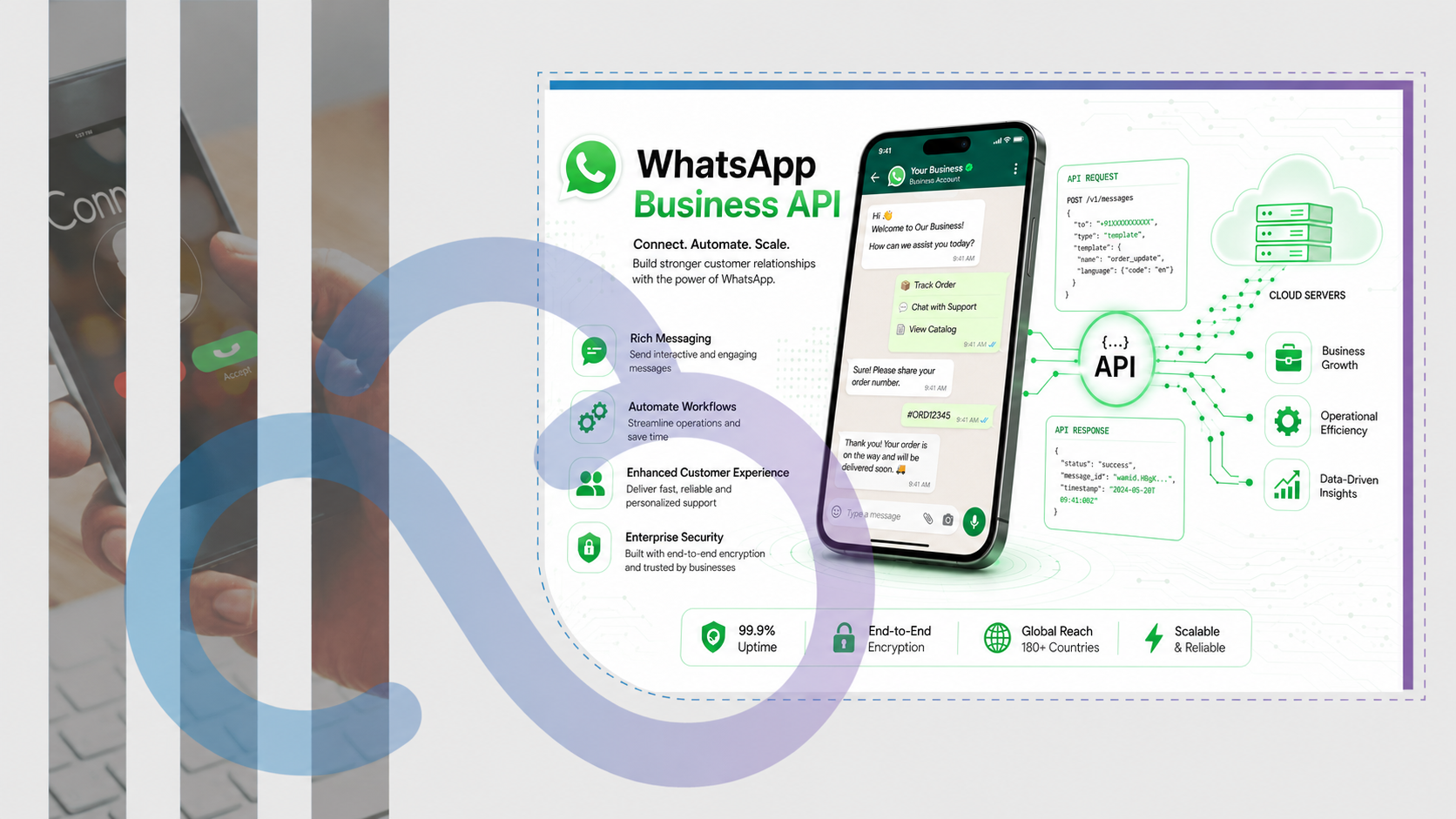
From Multiple Communication Channels to an Integrated Customer Experience Imagine Mohammed... he's had a minor…
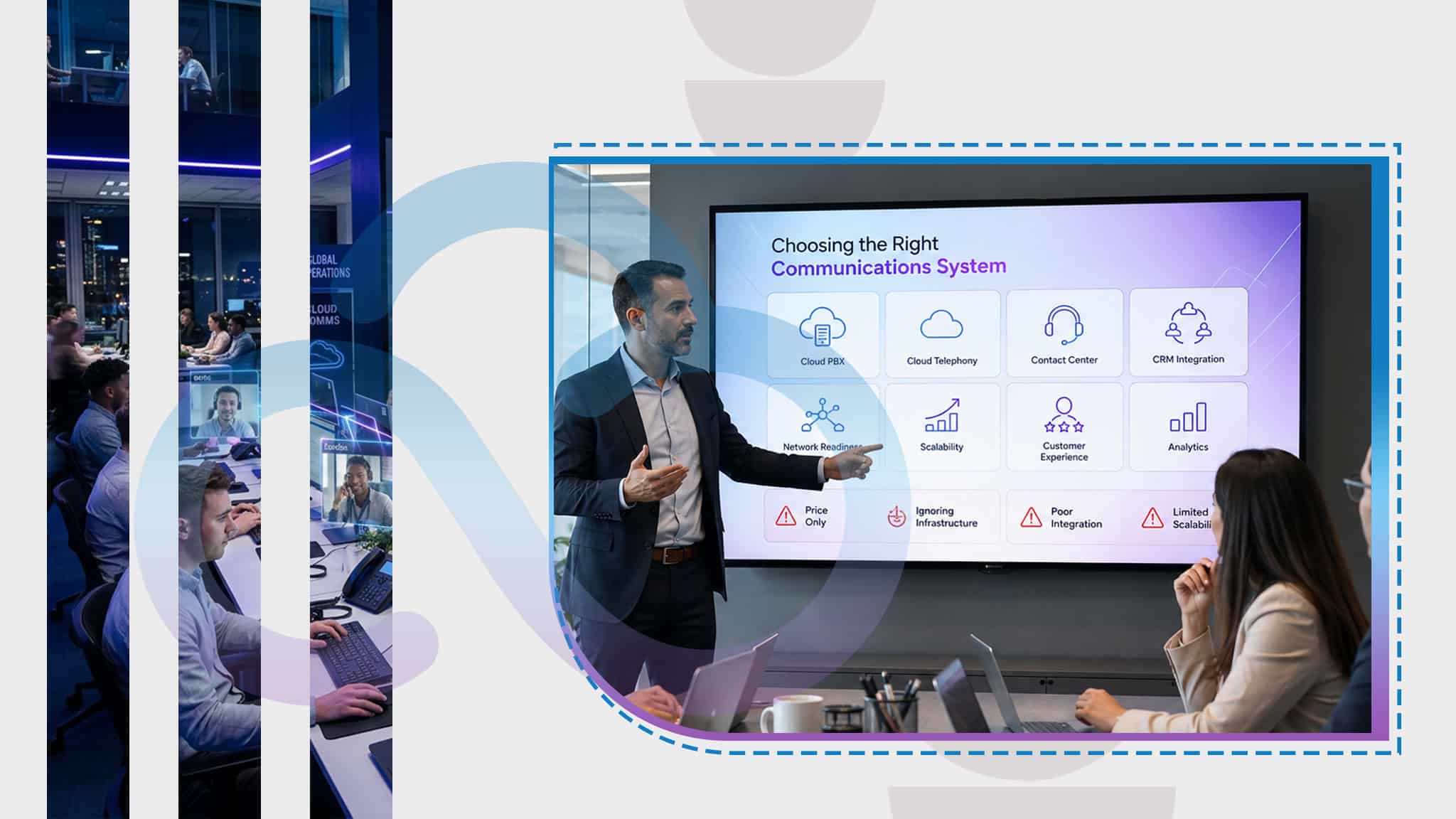
Mistakes Companies Make When Choosing a Communications System
Common Mistakes Companies Make When Choosing a Communications System
A Practical Guide for Decision-Makers
Communication systems are now one of the most important operational pillars within modern companies. With growing reliance on phone-based sales and digital customer service, communication systems have become a critical factor in both the customer experience and operational efficiency.
Despite this significant impact, some companies still choose their communications system without careful planning, leading to ineffective investments or systems that fail to meet the company’s long-term needs.
With the emergence of Cloud Communications technologies like Cloud PBX, Cloud Telephony, and Contact Center as a Service (CCaaS), companies now have more flexible options — but they also need careful technical and operational evaluation before making a decision.
This article covers the most common mistakes companies make when choosing a communications system, and how decision-makers can make a more strategic choice.
The Importance of Cloud Communications in Modern Companies
Phone systems are no longer just a tool for internal communication between employees — they’ve become a core part of a company’s digital infrastructure.
Cloud Communications technologies let companies manage every communication channel online using Business VoIP, enabling greater operational flexibility and rapid scalability. These systems form what’s known as a Business Communications Platform, which can include:
• Voice calls
• Digital meetings
• Messaging
• Contact center management
Unified Communications as a Service (UCaaS) and Contact Center as a Service (CCaaS) platforms also provide an integrated communication environment that helps companies improve the Digital Customer Experience.
The Evolution of Communication Systems: From Traditional PBX to Cloud PBX
For a long time, companies relied on Private Branch Exchange (PBX) systems running on-site. These systems required dedicated phone hardware, internal phone wiring, and ongoing technical maintenance.
But as VoIP infrastructure advanced, technologies like SIP Trunking emerged, allowing calls to be made over the internet. This development led to the rise of Hosted PBX and Cloud PBX, which run within Telecom Cloud Infrastructure inside advanced data centers. These systems give companies greater flexibility, and also allow integration with digital systems like CRM.
Mistake #1: Choosing a System Based on Price Alone
This is one of the most common mistakes. Some companies compare communication systems based solely on the monthly price, without considering the system’s operational value. But a cheaper system can lead to:
- Poor call quality
- Limited features
- Difficulty scaling
The right decision should be based on the system’s full operational value, not just its price.
Mistake #2: Relying Solely on the Provider's Brand Name
Companies sometimes choose a communications system based on the provider’s name or brand reputation. But a well-known brand doesn’t always mean the system is the best fit for the company’s needs. What actually needs to be evaluated is:
- How well the solution fits the business’s needs
- The system’s flexibility
- The quality of technical support
Mistake #3: Relying on Limited Technical Input
At some organizations, the system decision is made based on the recommendation of a single technical employee or service provider. But communication systems affect multiple departments within a company, such as:
- Sales
- Customer service
- Operations
That’s why the decision should involve the IT manager, the operations manager, and the contact center manager.
Mistake #4: Ignoring Network Infrastructure
Cloud Telephony and Business VoIP systems depend heavily on the quality of the company’s internet connection. If the network isn’t properly equipped, it can lead to:
- Dropped calls
- Audio delays
- Poor call quality
That’s why a company’s VoIP infrastructure should be evaluated before adopting a new system.
Mistake #5: Not Considering Scalability
Some companies choose a communications system that only meets their current needs, without thinking about future growth. But as a company expands, it may need to:
- Add new employees
- Open new branches
- Run a larger contact center
Cloud-based systems like Cloud PBX offer much higher scalability compared to traditional systems.
Mistake #6: Ignoring Integration with Other Systems
Companies today rely on many digital systems, such as:
- CRM systems
- ERP systems
- E-commerce platforms
If a communications system can’t integrate with these systems via Telephony API, it can lead to weaker operational efficiency.
Mistake #7: Not Evaluating the Customer Experience
One of the most important goals of a communications system is improving the Digital Customer Experience. But some companies choose a system without evaluating its impact on the customer experience. Modern Cloud Call Center systems offer features like:
- Omnichannel Customer Engagement
- Queue management
- Call analytics
These features help companies improve the customer experience.
The Role of AI in Advancing Contact Centers
Contact centers are undergoing major transformation thanks to AI technology. AI Contact Center platforms can analyze calls and extract important data that helps improve performance. AI can be used for:
- Call analysis
- Detecting recurring issues
- Evaluating employee performance
These technologies form the foundation of the Next Generation Contact Center.
Global Trends in the Cloud Communications Sector
The Cloud Communications market is experiencing significant growth. Reports from research firms like Gartner and MarketsandMarkets indicate that companies worldwide are moving toward adopting Cloud PBX and UCaaS instead of traditional systems, driven by several factors:
- Digital transformation
- The spread of remote work
- Advances in AI
- The growing importance of the customer experience
Sources:
The Future of Digital Communications in Companies
In the near future, communications will become a core part of companies’ digital infrastructure. Technologies like Programmable Voice, Real-Time Communications, and WebRTC Communications will let companies embed communications directly into their digital applications. In this way, communications will shift from being just a phone system to a strategic platform for managing the customer experience.
Conclusion
Choosing a communications system for a company isn’t a simple technical decision — it’s a strategic one that affects:
- The customer experience
- Operational efficiency
- Sales growth
To avoid common mistakes, companies should evaluate several factors, including:
- Network infrastructure
- Scalability
- Integration with other systems
- The quality of the customer experience
By using technologies like Cloud PBX, UCaaS, and AI Contact Center, companies can build modern communication systems that support their growth in the digital age.
Telsip — an all-in-one cloud communications platform that combines a cloud PBX, a cloud contact center, unified OMNI channels, and a WebRTC-powered softphone, with seamless CRM integration and professional support; it delivers intelligent call management, unified conversations, and real-time reports that enhance your team’s efficiency and your customers’ experience.
For more information about Telsip products and services, leave your data and one of our specialists will contact you..


Related Posts