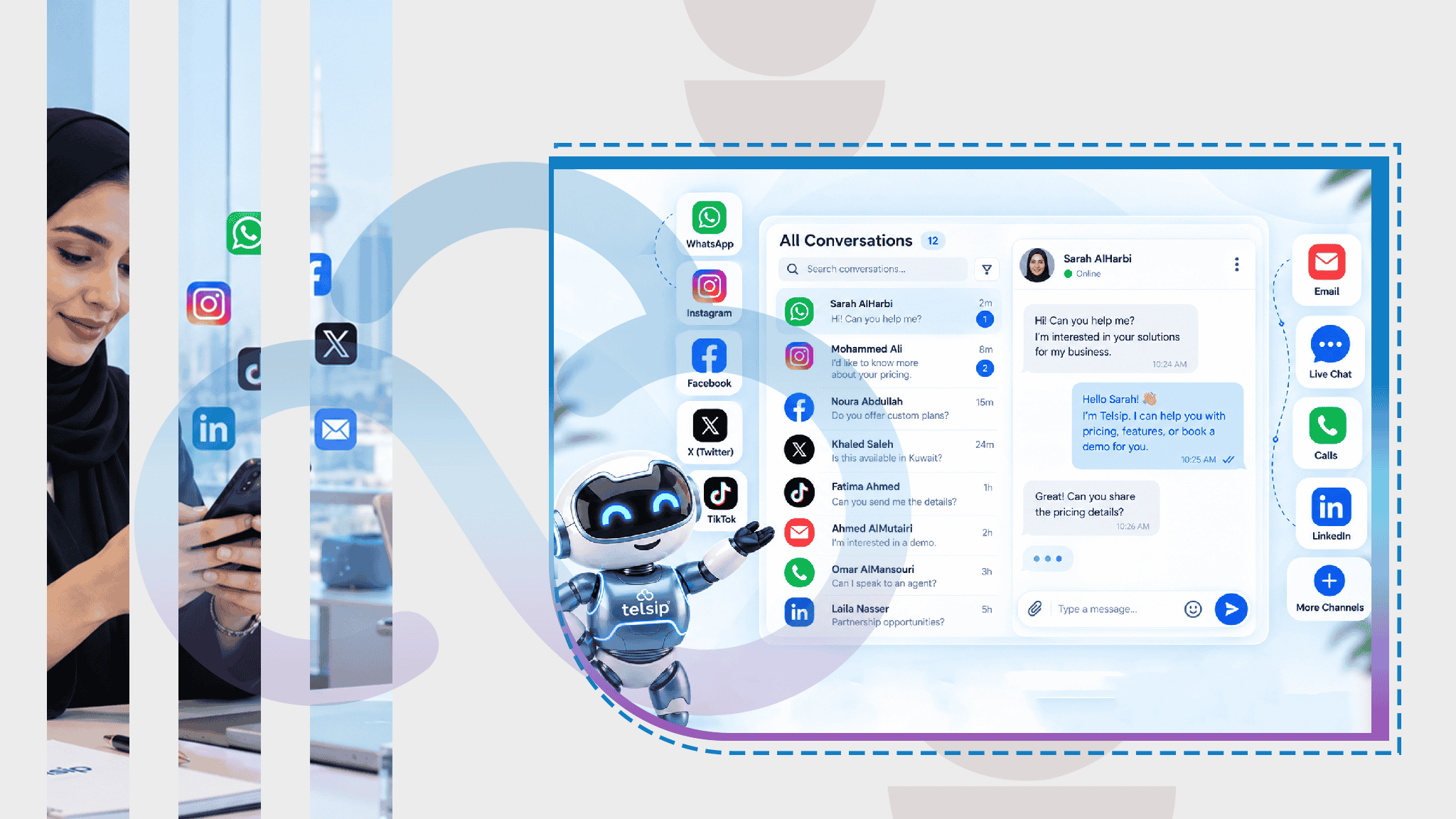
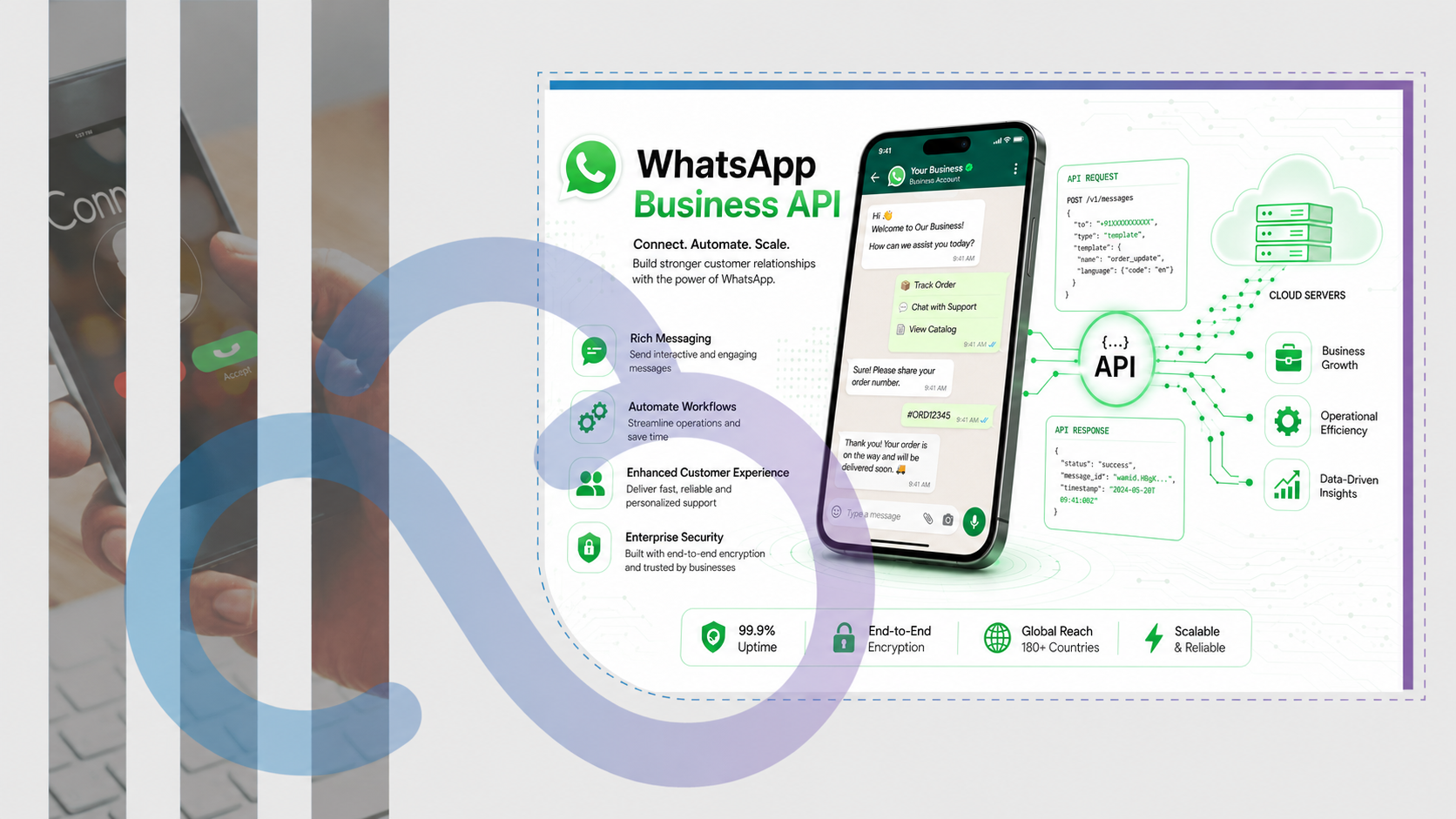
From Multiple Communication Channels to an Integrated Customer Experience Imagine Mohammed... he's had a minor…
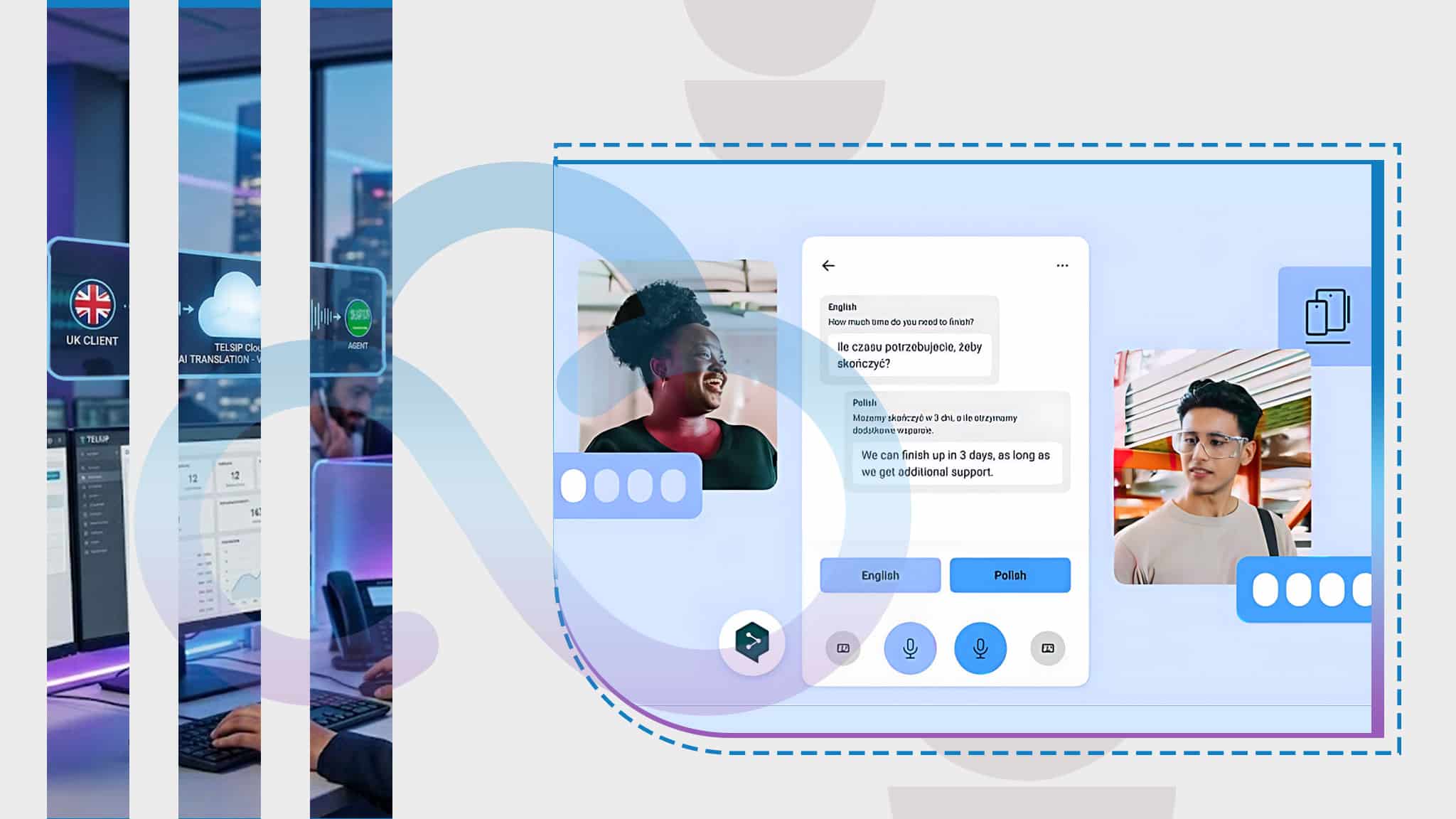
Voice-to-Voice Live Translation
Real-Time Voice-to-Voice Translation
How Will Live Translation Change the Future of Contact Centers and Cloud Communications?
In today’s business world, companies increasingly operate in multilingual, multicultural markets. A customer may be reaching out from another country or speaking a different language than the customer service agent. This creates a real challenge for contact centers: how can companies deliver effective customer service when the customer speaks a different language?
The traditional solution was hiring multilingual staff or building multilingual support teams — but this model is costly and hard to manage. Today, Voice-to-Voice Live Translation technology is starting to change that equation. This technology converts a customer’s speech into text, translates it instantly into another language, and then converts it back into speech that the other party can hear.
Thanks to Cloud Communications technologies, this capability can now be integrated directly into Cloud PBX systems and cloud contact centers. This means a customer service agent can speak in their own language while the customer hears a live translation in theirs.
The Importance of Cloud Communications in Modern Companies
Enterprise communications are undergoing a major shift toward cloud computing. Cloud Telephony technologies rely on Business VoIP to carry calls over the internet using advanced VoIP infrastructure. This shift has led to the rise of integrated platforms such as:
- Cloud PBX
- Hosted PBX
- Unified Communications as a Service (UCaaS)
- Contact Center as a Service (CCaaS)
These platforms now form an integrated Business Communications Platform that lets companies manage and analyze communications and improve the customer experience. Telecom Cloud Infrastructure also provides the capacity to integrate new technologies like AI and live translation.
Source:
https://www.gartner.com/en/information-technology/glossary/unified-communications-as-a-service
What Is Voice-to-Voice Live Translation?
Voice-to-Voice Translation technology relies on a chain of advanced technologies working together in real time. This chain typically consists of three main stages:
Speech to text
Speech Recognition technology converts the speaker’s words into text.
Text translation
The text is translated using Machine Translation systems.
Text to speech
The translated text is converted back into speech using Text-to-Speech technology.
These processes happen within fractions of a second, allowing both parties to speak two different languages within the same call.
How Can Live Translation Be Integrated into Cloud PBX?
In modern Cloud PBX systems, live voice translation can be integrated directly into the call path, using:
- Telephony API
- Programmable Voice
- Real-Time Communications
When the customer speaks, the audio is sent to the translation engine via Telecom Cloud Infrastructure, and the translated audio is then relayed to the other party. This makes it possible to build a multilingual calling experience within the same call.
The Role of AI in Advancing Live Translation
AI is the main driving force behind the advancement of voice translation. AI Contact Center systems use machine learning techniques to improve translation accuracy and contextual understanding. Natural Language Processing can also be used to analyze calls and detect customer intent. These technologies help:
- Improve translation accuracy
- Reduce call latency
- Understand linguistic context
McKinsey reports indicate that AI will reshape the face of customer service in the coming years.
How Do Companies Benefit from Live Voice Translation?
Integrating Live Translation into contact centers opens up new opportunities for companies.
Multilingual customer service
Companies can support customers in different countries without needing multilingual support teams.
Market expansion
Companies can enter new markets more easily since language is no longer a barrier.
Improved customer experience
Through Digital Customer Experience, customers can communicate with the company in their native language.
Lower operating costs
Instead of hiring multilingual teams, companies can rely on live translation technology.
The Role of Cloud Call Center and UCaaS in Supporting Live Translation
Contact Center as a Service (CCaaS) platforms provide an ideal environment for deploying these technologies, offering advantages such as:
Smart call management
SIP Trunking and VoIP infrastructure technologies allow for highly efficient call management.
Integration with other systems
Using Telephony API, the translation system can be connected with CRM systems.
Multi-channel support
Through Omnichannel Customer Engagement, translation can be used across both calls and chat.
Browser-based calling
WebRTC Communications technology allows the system to be used directly from a browser.
Global Trends in Voice Translation
The voice translation technology market is growing rapidly. Major technology companies are investing heavily in developing AI-driven live translation systems. Industry reports also indicate that live translation will become a core feature of the Next Generation Contact Center.
Source: https://www.marketsandmarkets.com/Market-Reports/speech-translation-market
The Future of Multilingual Communications
In the coming years, live translation is expected to become a standard feature of cloud communication platforms. Technologies like Real-Time Communications, Programmable Voice, and Telephony API will allow translation to be embedded directly into applications and contact centers — meaning customers will be able to communicate with any company in the world in their own language.
How Can TELSIP Deliver This Technology?
Platforms like TELSIP Cloud PBX can integrate live voice translation directly into contact centers. This allows customer service agents to communicate with customers in different languages without needing to know those languages themselves — an important step toward building a Next Generation Contact Center that supports global communication.
Conclusion
Voice-to-Voice Live Translation represents one of the most important upcoming developments in the cloud communications sector. This technology lets companies overcome language barriers and deliver a truly global customer experience.
By using technologies like Cloud PBX, Cloud Telephony, UCaaS, CCaaS, and AI Contact Center, companies can build multilingual contact centers capable of serving customers anywhere in the world. In the future, language will no longer be a barrier to communication between companies and their customers.
Telsip — an all-in-one cloud communications platform that combines a cloud PBX, a cloud contact center, unified OMNI channels, and a WebRTC-powered softphone, with seamless CRM integration and professional support; it delivers intelligent call management, unified conversations, and real-time reports that enhance your team’s efficiency and your customers’ experience.
For more information about Telsip products and services, leave your data and one of our specialists will contact you..


Related Posts