From Multiple Communication Channels to an Integrated Customer Experience Imagine Mohammed... he's had a minor…

Frequent VoIP Issues and Their Solutions
Most Frequent VoIP Issues and Their Technical Solutions

Solve VoIP Issues and Ensure Stable, Reliable Connections
Some companies face technical challenges when relying on Internet-based communication systems, commonly known as VoIP. Despite the many advantages this technology offers, VoIP issues can sometimes arise that affect call quality and operational stability, and in some cases may even cause complete service interruption.
If these problems persist without proper diagnosis or resolution, they can negatively impact the customer experience.
In this article, we provide a comprehensive guide to the most common VoIP issues, including their causes, how to detect them, and practical methods to identify the source of the problem as a first step toward resolving it.
The Most Common VoIP Connection Issues You Might Face
There are several signs that indicate a problem in a VoIP system, the most common of which include:

Why Address These Issues? Ignoring VoIP problems can seriously damage a company’s reputation and its relationship with customers. Persistent connectivity issues may even drive clients away to competitors with more stable and reliable communication systems.
Tools and Tests to Detect VoIP Issues and Identify Their Causes
There are several simple tools and tests that, although they don’t directly solve the problem, give you a clear picture of where the issue is and how severe it is, helping you make the right decisions.
Below are the most important tests and how to make the best use of them.

1. Measuring and Testing Internet Speed:
Testing internet speed or running a ‘Voice over Internet Protocol’ test is a quick way to check whether your upload and download capacity is sufficient to make VoIP calls.
2. Data Transfer Speed and Packet Loss Test (Ping Test):
The Ping test is a free tool available on all operating systems, designed to detect network malfunctions.
To clarify:
If two devices are communicating via VoIP, one sending data in 10 milliseconds while the other takes 200 milliseconds, there will be a noticeable voice delay that will disrupt the call quality and negatively impact the communication experience. In such cases, you should check your internet line performance with your service provider.

3. Tracking Data Paths (Traceroute):
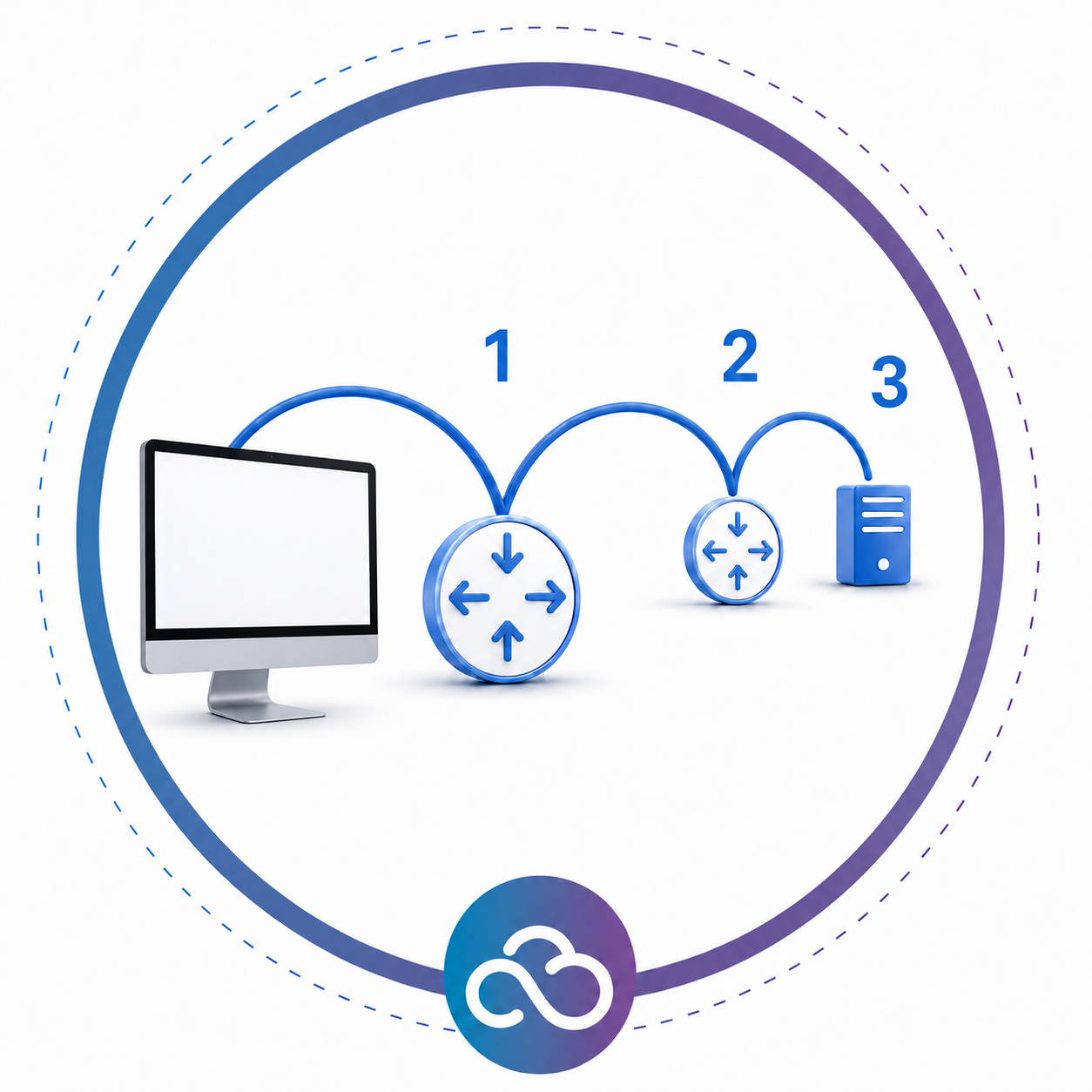
Once data loss is detected, it is time to use the Traceroute test to pinpoint the exact location of the problem.
The test highlights the obstacles affecting the connection by displaying all the points (stations) that data packets pass through before reaching their final destination, along with the time taken at each point.
For example, when making a call between two different countries, data may pass through an average of 12 different points before reaching the other side. Traceroute shows all of these points in detail and indicates the performance at each point.
If data loss is detected or a specific point shows a problem, you can look for an alternative route or consider changing your service provider.
Once the cause is identified, the issue should be directed to the responsible party:
These were the most common VoIP issues and how to deal with them, helping you prevent future problems and ensure the best possible communication experience for your company.
Telsip — an all-in-one cloud communications platform that combines a cloud PBX, a cloud contact center, unified OMNI channels, and a WebRTC-powered softphone, with seamless CRM integration and professional support; it delivers intelligent call management, unified conversations, and real-time reports that enhance your team’s efficiency and your customers’ experience.
For more information about Telsip products and services, leave your data and one of our specialists will contact you..


Related Posts