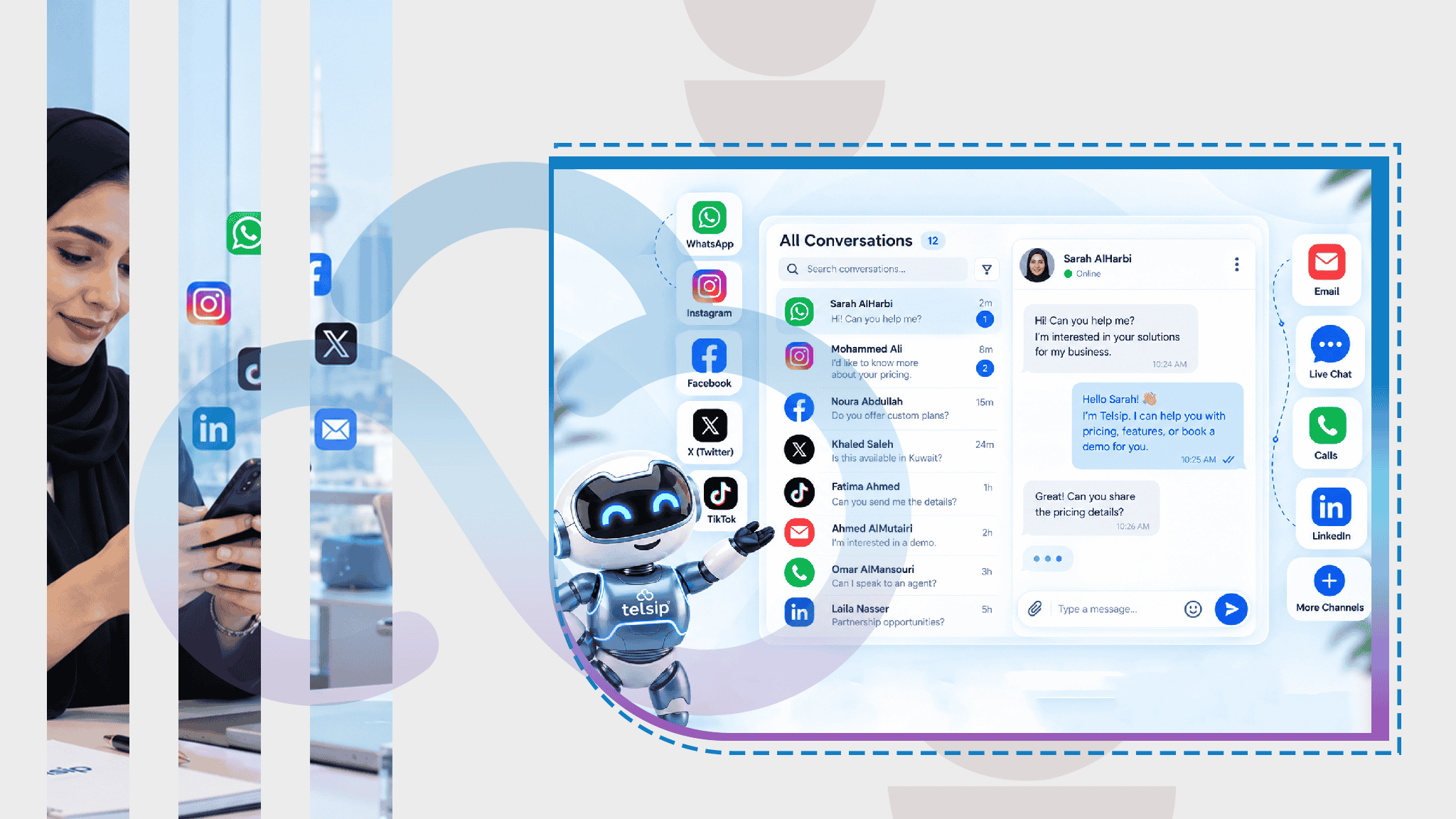
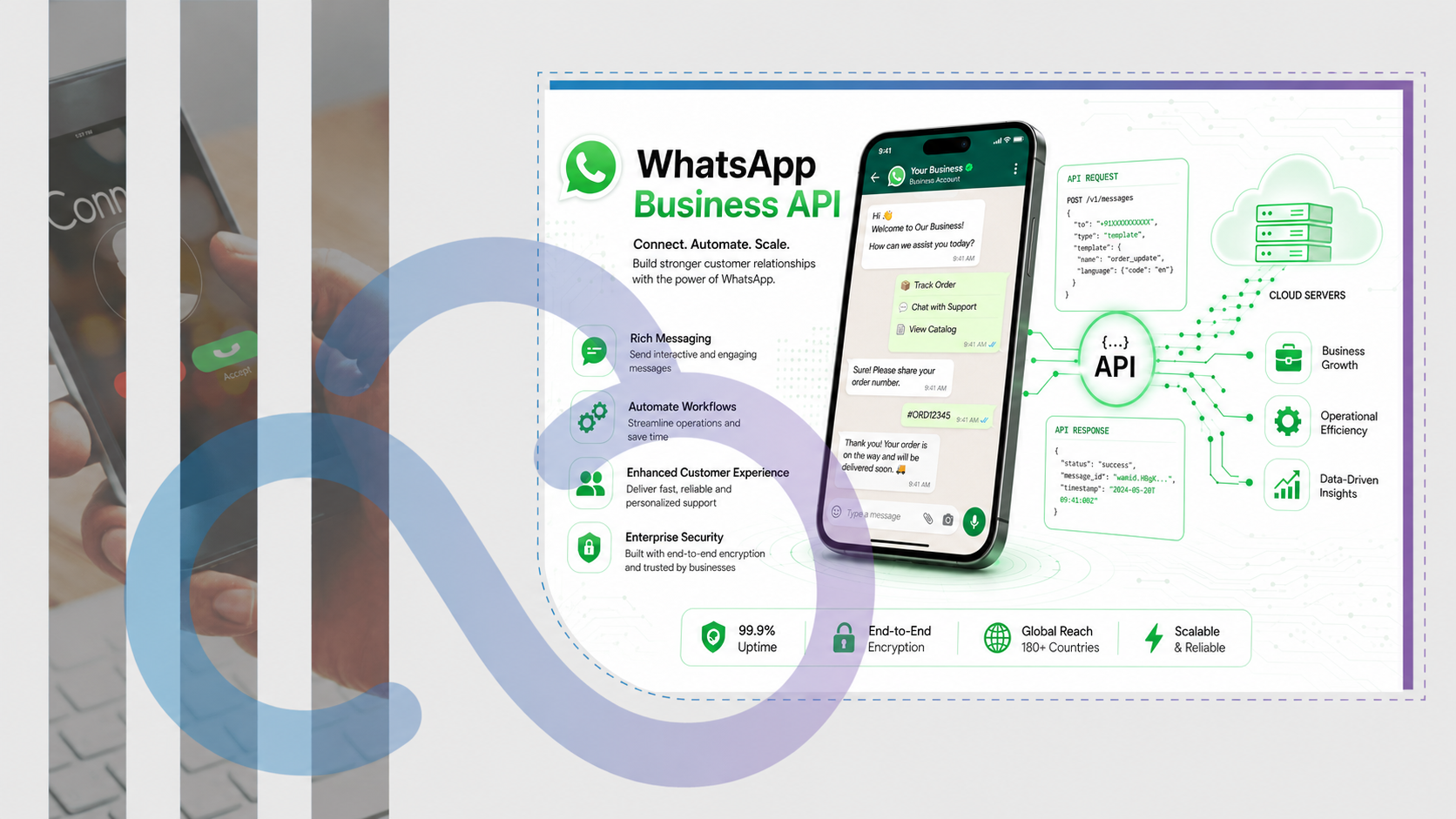
From Multiple Communication Channels to an Integrated Customer Experience Imagine Mohammed... he's had a minor…

Call Center Terminology –1
Call Center Terminology – Part 1
In the modern world of customer service and in our rapidly developing digital era, the call center has become one of the fundamental bases of communication between companies and their customers and providing an exceptional customer experience is no longer limited to just handling incoming calls, It has evolved to become a vital interface for a company that reflects its professionalism and concern for its customers. With the increasing reliance on these systems, there are various terms and concepts related to call center systems that may be unfamiliar to the users.
This blog aims to provide a simple and comprehensive guide to the most important and commonly used terms in the world of call center systems. Understanding these terminologies is not only essential for call center employees, but also for business owners and managers who seek to improve performance and enhance customer satisfaction. In this blog, we explore the most important call center terminology, offering clear explanations for each term, to help the reader build a strong knowledge of this vital sector.
Firstly, Call Center terminology related to Call Center users:
1. Call Center Agent:
Also known as a customer service representative, the Agent is an employee who is responsible for handling all incoming customer calls to the company. Their role is not limited to answering phone calls only, but they also managing customer interactions through multiple channels, such as email, live chat, and even social media.
The role of a call center agent requires several skills, including high communication skills, the ability to handle pressure, quick responsiveness, and an accurate and comprehensive knowledge of the products and services of their company or organisation. The agent plays a crucial role in building positive relationships with customers and ensuring their satisfaction, which in turn reflects on the company’s reputation and success.


2. Call Center Supervisor:
A Call Center Supervisor is a direct leader of a group or team of customer service agents. Their main focus is on the team’s daily operations and ensuring that operational goals are met, Key responsibilities of the supervisor include:
- Daily supervision of the Agents team’s performance.
- Track performance indicators such as call volume, wait time, and quality of service.
- Provide guidance and hands-on training to agents.
- Handling daily complaints or issues within the team.
- Ensuring the team’s compliance with policies and procedures.
- Preparing regular reports to the Call Center Manager.
3. Call center Manager:
The Call Center Manager is responsible for the overall management of the entire call center and the coordination of operations between the different departments of the company. Their role focuses on the setting of overall call center strategic goals in alignment with the company’s objectives, and developing strategies to achieve them. Monitoring the overall performance of the customer service system.

Secondly, terminology related to call management:
1. Inbound calls:
Inbound calls are calls initiated by the customer to the call center in order to request support, service, information, enquiries or complaints. It means that the customer is the one who initiates the call, not the company.
2. Outbound Calls:
Is a term used in the context of contact centers that refers to phone calls initiated by a call center or agent to contact customers. Unlike inbound calls which are received by the call center from customers, outbound calls are initiated by the company.
3. Call Queue:
A call queue is a temporary system that holds incoming phone calls when all call center agents are busy or unavailable to answer immediately. Simply, when a customer calls and no agent is available, their call is placed in this queue to wait their turn until an agent becomes free to respond. It acts as a virtual queue for callers. Instead of hearing a busy signal or getting disconnected, the caller is placed in this queue, usually with a recorded message or music playing until an agent is available to answer the call.
4. Hold Time:
Is the amount of time a caller spends waiting to speak to an agent after their call has been placed in the queue, or the time a caller is placed on hold during a conversation with an agent.
The most common reasons for putting a customer on hold:
- Searching for customer-specific information.
- Consulting a supervisor.
- Transferring the call to a different department.
- Performing a customer-specific procedure within the system.
5. Call Recording:
Call recording is the process of audio recording of all calls ( inbound or outbound) that take place between customers and call center agents, using a system integrated into the call center’s infrastructure.
6. Call Detail Records (CDR):
A call detail record is a report generated by the call center system that contains detailed information about the calls made, such as the caller’s number, the number dialed from the system, ID numbers, call duration, call status, scheduled follow-up actions, and, in some advanced systems, it may also include a transcript of the call.
sources 1
“To explore more call center terminology, be sure to check out our next blog — don’t miss it!”
Frequently Asked Questions (FAQ)
Call center terminology refers to a set of words and concepts used in the operation and management of contact centers, such as agent, supervisor, inbound calls, call queues, call recording, and call detail records. Understanding these terms helps business owners and employees utilize the call center system more efficiently.
A call center system is a platform that assists businesses in receiving, managing, and distributing customer calls to the appropriate personnel. It also provides tools such as automated attendants, call queues, call recording, reports, and performance monitoring for customer service representatives.
Call center systems are generally categorized into on-premise systems, which are installed within the company’s premises; cloud-based call center systems, which operate via the internet; and hybrid systems, which combine both. The choice of the appropriate system depends on the company’s size, number of employees, nature of operations, and available budget.
Inbound calls are initiated by the customer to contact the company, whereas outbound calls are initiated by the call center agent to reach out to customers. Outbound calls are typically used for sales, follow-ups, surveys, appointment confirmations, and payment collections.
A call queue serves as an organizational tool that prevents customer loss during high call volumes. Instead of hearing a busy tone, the customer remains connected, which reduces the rate of abandoned calls and gives the company the opportunity to manage incoming calls efficiently and route them to the most suitable agent as soon as one becomes available.
The Call Detail Record provides accurate and detailed data about every interaction processed through the system. This includes caller numbers, call timing, talk duration, and call status. This record helps managers monitor productivity, analyze peak-hour traffic, and ensure compliance with established quality standards.
Call recording is the audio file of the conversation that took place between the customer and the agent, whereas the Call Detail Record (CDR) contains the data and metadata associated with the call, such as time, duration, numbers, and status. Both can be used together to review service quality and analyze call center performance.
Call center system reports assist management in tracking the number of inbound and outbound calls, missed calls, average wait time, call duration, and employee performance. This data aids in identifying issues and making informed decisions that help enhance customer service.
Telsip — an all-in-one cloud communications platform that combines a cloud PBX, a cloud contact center, unified OMNI channels, and a WebRTC-powered softphone, with seamless CRM integration and professional support; it delivers intelligent call management, unified conversations, and real-time reports that enhance your team’s efficiency and your customers’ experience.
For more information about Telsip products and services, leave your data and one of our specialists will contact you..


Related Posts